Wild elephants in Thailand have been intertwined with the country’s nature, culture, and history since ancient times. These mighty beasts represent more than just a national emblem. They are keystone species that, through their habits and movements, regulate entire ecosystems. It is no wonder that visitors and animal lovers often find their curiosity sparked by the question: where can one find wild elephants in Thailand, and what is their life like beyond the tourist spots and postcard images?
In this article, we explore the habitats of Thailand’s wild elephants. We look at the best ways and sites to observe them without causing harm. Their relationship with humans and the persistent issues surrounding their conservation are also examined. By understanding how they live, one can see why it is vital to ensure their safety, show them respect, and remain ethically aware.
The Current Population Of Wild Elephants In Thailand
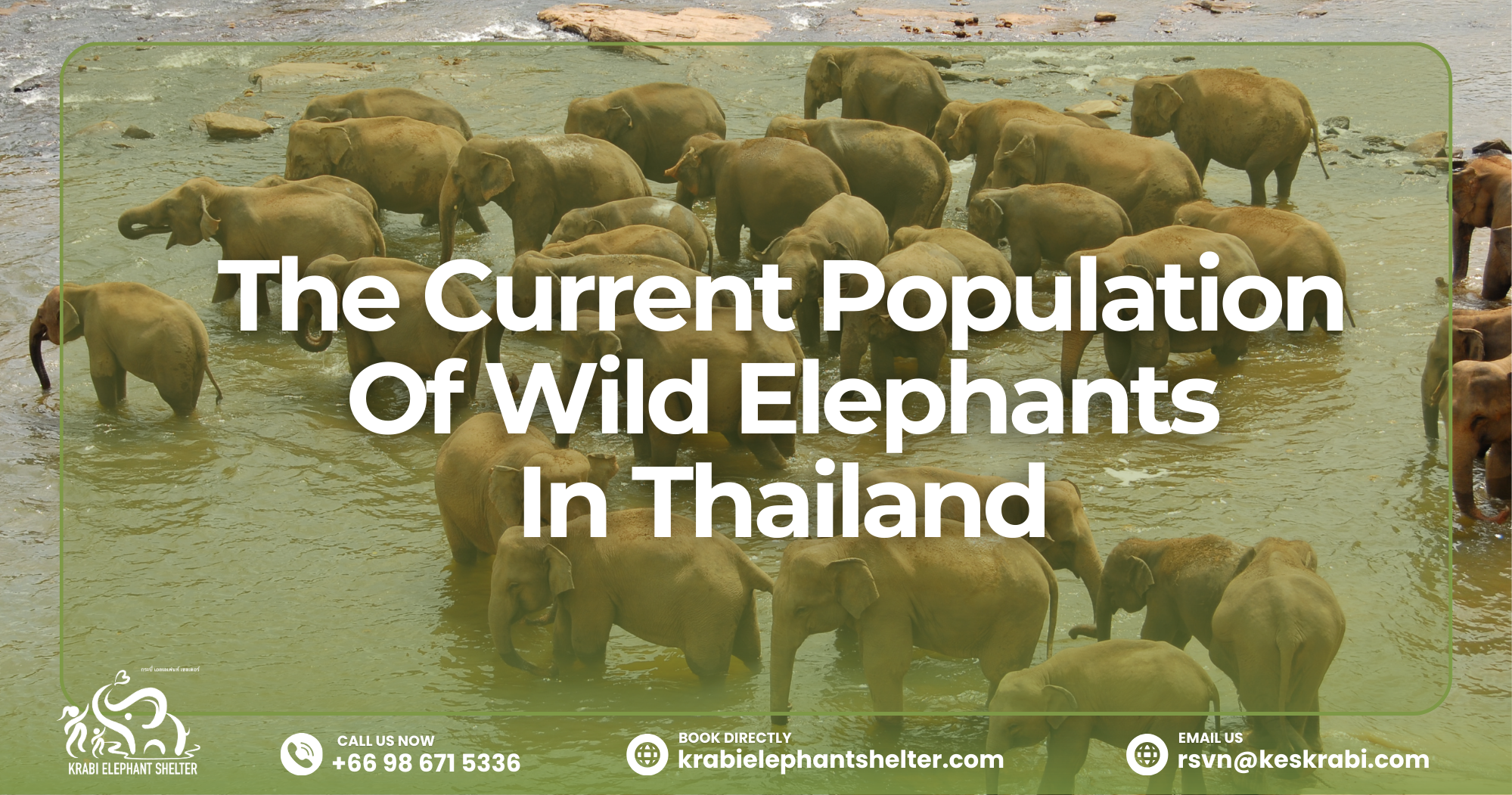
Thailand boasts one of the largest wild elephant populations in Southeast Asia. Presently, official figures suggest that there are around 3,500 to 4,000 wild elephants in the country. However, it is worth noting that this number only represents the fraction of the species that used to inhabit the region in the past, as elephants once ranged over vast forest and grassland areas.
Wild elephants belong to the Asian species, which are generally smaller than those of Africa but are just as intelligent and social. Elephants have a social structure that consists of matrilineal family units. Males usually leave the herd to live alone or form temporary all‑male groups. Worldwide, the number of elephants is increasing at a very slow rate. This is mainly due to their long gestation period and the continued loss of habitat, making it vital that the animals receive the necessary protection.
Where Wild Elephants Live In Thailand
Wild elephants in Thailand live in protected forests, national parks, and wildlife sanctuaries. In these habitats, they find food, water, and the paths needed for their migration. It has been estimated that the majority of Thailand’s wild elephants are found in five main geographical regions of the country.
The Western Forest Complex region along the border with Myanmar houses some of the largest continuous elephant habitats in the country. The elephants in this area are free to move within the shared ecosystem of the national parks. They can also cross between the two countries, since these parks lie on the border. In central Thailand, Khao Yai National Park remains one of the best‑known habitats. This is because of the park’s natural beauty, its accessibility, and the great work of the conservationists.
Elephants can be found in the forests of eastern Thailand, including Khao Ang Rue Nai Wildlife Sanctuary, which provides a perfect escape for the animals. The northern part of the country, which encompasses the two provinces of Chiang Mai and Chiang Rai, is still capable of supporting wild herds, although the continuous division of their habitat creates new problems. Down south, there are still some pockets of elephant populations in forest reserves, and these animals also venture into the farmland areas.
Habitats, Food Sources, And Daily Life In The Wild
Wild elephants need several hectares to find everything they need to survive. One pasture-grown adult elephant can eat over 150 kg of leaves, grasses, and even bark and fruits daily. Having a variety of plants at hand ensures their health.
Only forests with fresh water will continue to be suitable homes. During drought periods, elephants have to make long journeys to the rivers and waterholes. Human impact changes these landscapes drastically, including the seed dispersal patterns of elephants, and newly created forest clearings become the homes of other species.
Elephants also base their seasons on when the rains come and how much food is available. Their intelligence and adaptability are shown by how they still remember the old roads they once used for migration. These traits help them survive in the wilderness.
Human–Elephant Conflict: A Growing Challenge
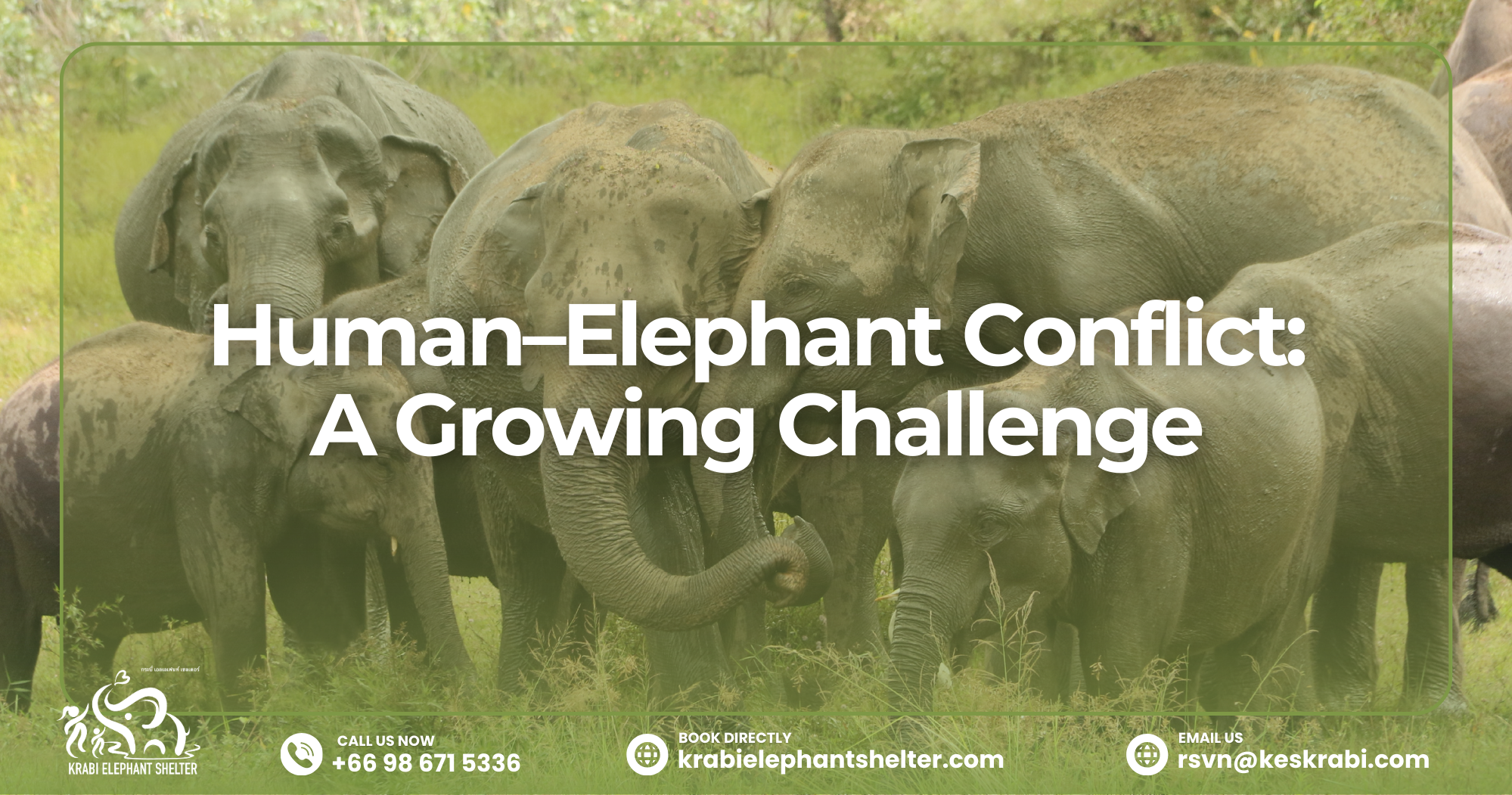
One of the most critical issues in Thai wildlife conservation nowadays is human-elephant conflict, which is directly linked to the deforestation of the country. To be more specific, agriculture and the building of infrastructure are the two main culprits behind the shrinking of the natural habitats, which in turn puts elephants and people at a closer proximity. Most often, elephants cause damage to crops, particularly in rural areas near forests.
The unfortunate result of these incidents may be the injury or death of humans and animals, as well as damage to property. In some cases, they can also lead to economic loss. Local NGOs are collaborating with different stakeholders to implement strategies that will help prevent such conflicts in the future.
They came up with measures such as using alarm systems, reforesting degraded forests, and providing necessary information to the people. Other methods include electrified fences, crop diversification, and establishing elephant corridors. Together, these efforts help keep elephants away from the villages.
Instead of focusing on the removal of the animals, the long-term plan is to ensure that humans and elephants can coexist peacefully. One cannot neglect the fact that by saving the elephant’s home, we are indeed saving our own homes as well.
The Difference Between Wild Elephants And Sanctuary Elephants
Knowing the distinction between wild and sanctuary elephants will definitely help visitors to figure out the situation on the ground. Wild ones are totally independent and have to deal with harsh environments without human intervention. As a result, their behaviors are purely driven by their instincts.
But the ones in the sanctuaries that have been saved from logging and tourism are not only cared for but also protected and accompanied by humans. Those that are doing the right thing are the ones minimizing the use of formal methods. This includes limiting changes of habitat, food, social partners, and babies close to the time of weaning. It also involves attempts to avoid body contact.
The Krabi Elephant Shelter, for example, is a place where elephants are given special care and attention rather than being exploited for their talents.
Both areas serve a different purpose. Wildlife reserves naturally have ecosystems, while sanctuaries offer rehabilitation to elephants who are not yet capable of living freely.
Final Reflections On Ethical Encounters With Thailand’s Elephants
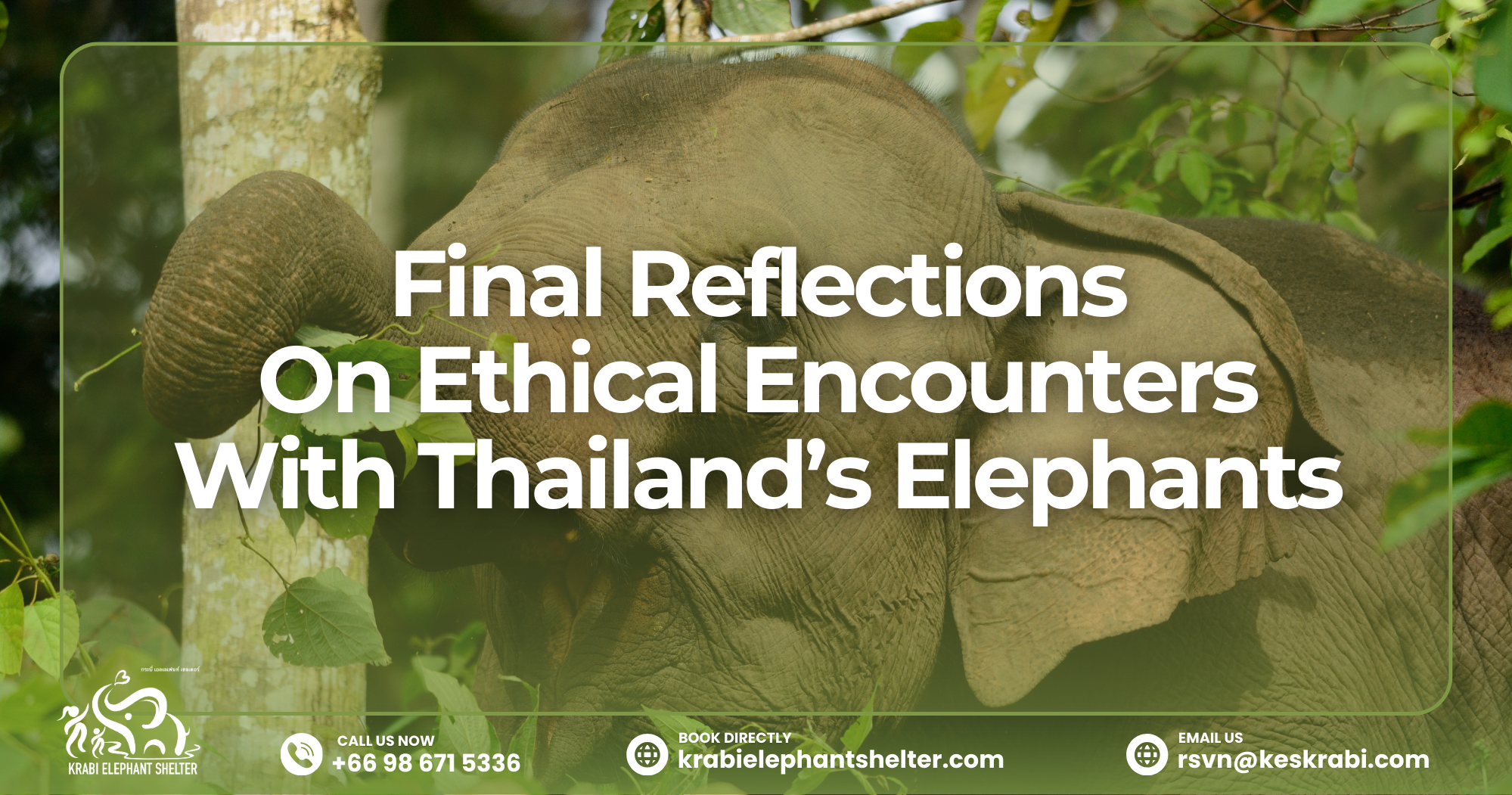
Wild elephants in the Kingdom of Thailand reveal an unsurpassed level of tenacity, brainpower, and struggle. From deep jungles and wilds to animal parks, these large creatures continue to influence geographical landscapes and captivate us. Encountering them in an environmentally friendly way will help us better understand and appreciate them instead of exploiting them.
By keeping away, contributing to conservation, and learning from the example of Krabi Elephant Shelter, tourists will be part of the problem‑solvers. This ensures wild elephants can stay free and protected, allowing them to flourish in their natural habitats. In doing so, they live on as an inheritance for future generations.