Elephants in Thailand have always been an integral part of the culture rather than mere wildlife. For millennia, these giants of the jungle have been intrinsic to Thai culture. The culture spans from the times of kings and royal courts to temples and even villages, where people live their lives rhythm by rhythm.
Elephants were the war steeds of kings. They even physically helped nations grow by moving logs through areas so dense that even machines couldn’t get through. They framed the culture of Thailand by being present at royal ceremonies and even being considered a manifestation of the divine.
However, the situation of elephants in Thailand being part of the story today is a bit more difficult to fathom than what most people think. The respect for them is still very much there. So is the affection for them. At the same time, increasing urbanization, tourism, and poaching are squeezing these animals out. An economic model that fails to accommodate creatures of such large size, complexity, and high maintenance adds to the pressure.
To gain a true understanding of elephants in Thailand, one must consider both aspects simultaneously. The extremely strong and authentic cultural association is significant. And the equally serious contemporary problem that is underway in connection with it. That inconsistency makes this saga both interesting and understandable.
How Many Elephants Are In Thailand?
Thailand is home to around 3,500 to 4,000 Asian elephants. Only half of these elephants are wild; the other half are domesticated, either working or simply living under human care.
Wild elephants in Thailand primarily live in protected forests such as Khao Yai, Doi Inthanon, and the Western Forest Complex. Yet, even these haven’t been able to keep out the impacts of human pressures increasing day by day.
The decline in the elephant population globally has been drastic and devastating; it is seen in the numbers: over 100,000 elephants roamed Thailand’s forests a century ago. Such a decrease highlights what has gone lost and altered.
What Sets Apart Wild And Captive Elephants?
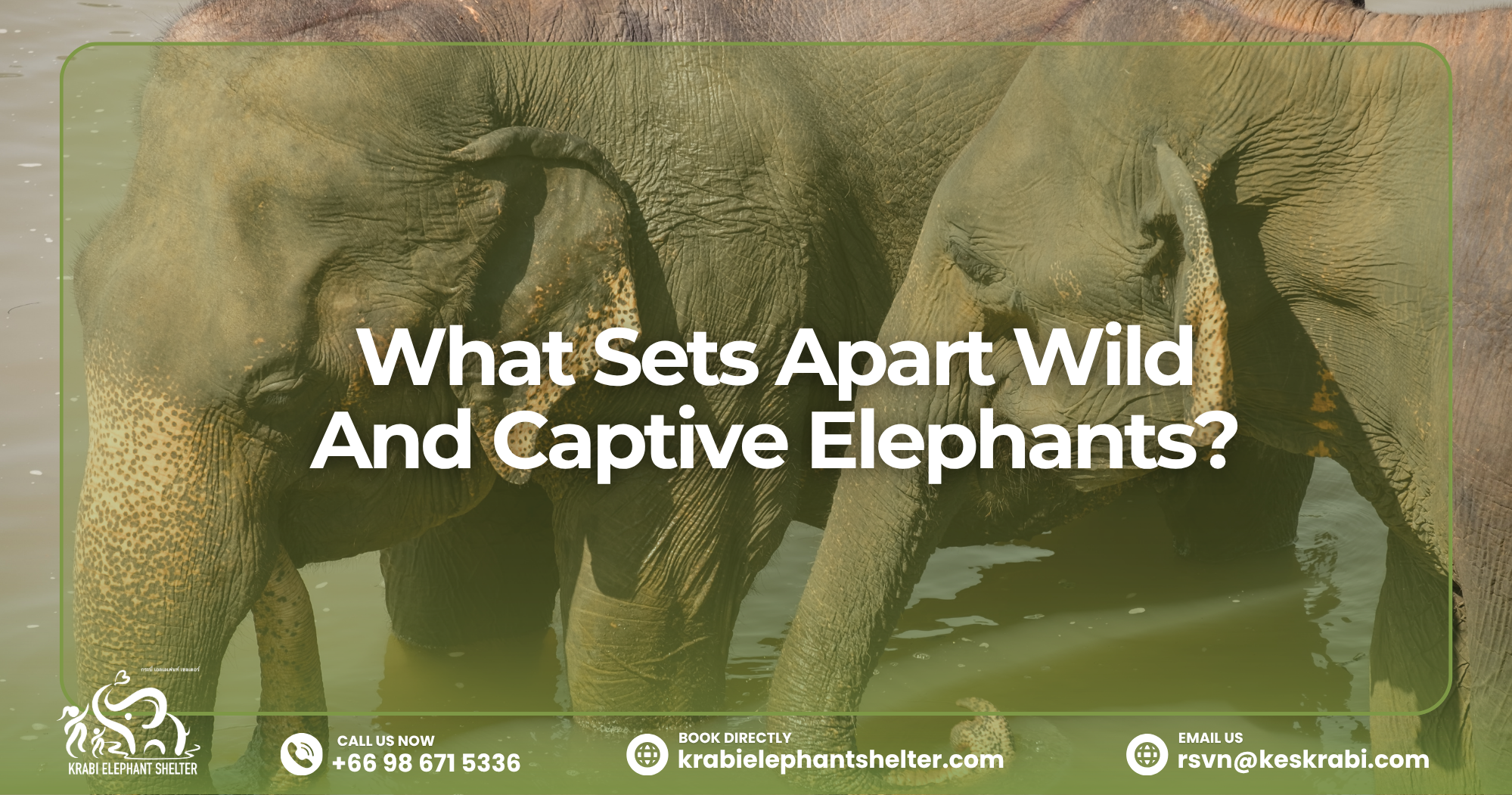
Wild elephants have the liberty to move about. They create herds naturally, follow old migration ways, and live by their own rules. Though their existence may be challenging at times, they are complete.
Captive elephants are kept under the control of humans. Some are working animals officially registered. Others are in tourist camps or sanctuaries or are being used in religious ceremonies. Their lives depend largely on who is taking care of them.
Different environments even produce varied physical traits. Elephants in the wild, for instance, tend to have fitter feet, better social bonds, and longer lives. However, captive elephants often carry the marks of ongoing stress and harm.
It’s a little-known fact that domesticated elephants in Thailand are, according to the law, classified as livestock, not wildlife. This classification affects what kind of protection they get and their treatment.
How Did Elephants Shape Thai Culture?
Elephants and Thai people have had a long-standing relationship spanning millennia. Elephants helped kings fight wars and timber workers to get logs out of forests. It was the majestic element in royal ceremonies that showed power and prestige.
The white elephant symbolizes something quite special; in fact, a white elephant born in the kingdom was believed to be sacred by the people, a sign of royal merit and divine favor. Owning such a beast was quite a boost for a king’s image as a blessed ruler.
People frequently depict elephants in temple decorations, stories, and art. Many people in Thailand worship the elephant-headed god Ganesha, who can be seen literally everywhere, from street shrines to household altars.
A long time ago, mahouts (elephant trainers) shared their expertise with each other across generations. It was not just a job but a lifelong commitment. It is not unusual for a mahout and his elephant to be partners for up to several decades.
Thailand’s flag even featured a white elephant until 1917. The animal wasn’t just symbolic — it was central to how the nation saw itself.
What Are The Biggest Threats Today?
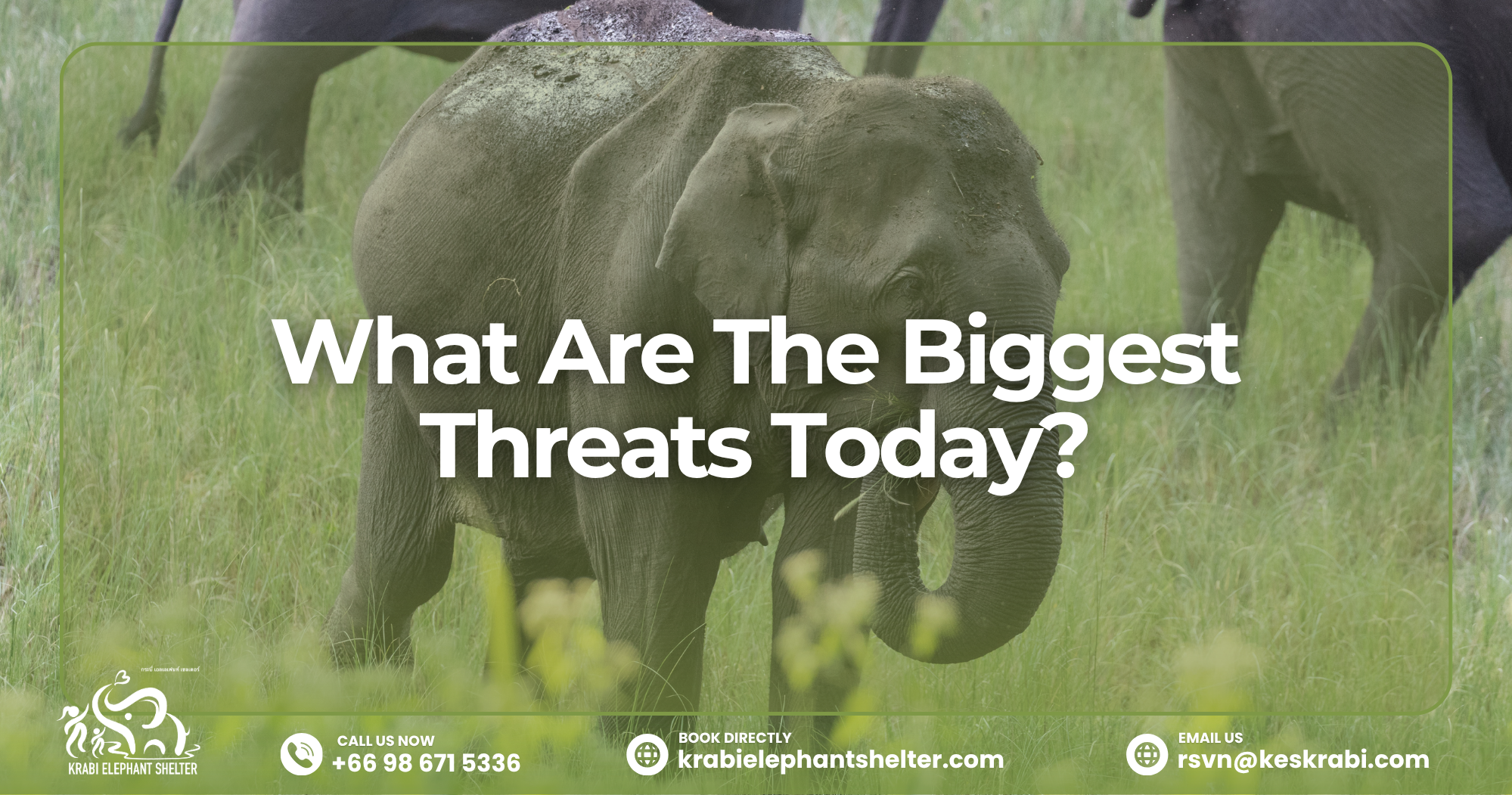
Habitat loss is the most pressing issue. Thailand’s forests have shrunk dramatically over the decades. Wild elephants lose the space they need to survive as land clears for agriculture, roads, and development.
Smaller habitats mean more conflict. Elephants wander into farms searching for food. Crops get destroyed. Farmers lose income. Retaliation happens. It’s a cycle that’s genuinely difficult to break—and it costs lives on both sides.
Poaching remains a serious concern. The ivory trade has driven devastating losses across Asia and Africa. In Thailand, male elephants with tusks face the highest risk. Estimates suggest that fewer than half of Thailand’s wild male elephants now carry tusks, a direct consequence of generations of selective poaching.
Tourism has created its own set of problems. Demand for elephant rides and performances pushed a cruel training practice called “phajaan”—the “crush”—where young elephants are broken into submission. It’s deeply harmful. For a long time, this behavior was normalized because tourists simply didn’t know any better.
Captive elephants also face a funding challenge. Many depend on tourism income to survive. When the pandemic hit in 2020, tourist numbers collapsed overnight. Camps had no revenue. Some elephants went hungry. It exposed just how fragile the system was.
What Conservation Efforts Exist?
Ethical sanctuaries have completely changed the idea of responsible elephant tourism. They don’t offer riding and performing anymore; instead, visitors witness elephants in natural and comfortable environments. They even observe them bathing, foraging, and playing. In fact, it’s less showy and way more admirable.
These sanctuaries go even further in ensuring elephant welfare by eliminating bullhooks and giving them the freedom of being unchained during the day. They also have enough space, nutritious food, and social interactions that resemble natural herd behavior. The great behavioral changes and improvements in the overall health of elephants are very evident.
With the help of the government, conservation programs have increased the forest areas they protect. Anti-poaching teams patrol major wildlife corridors, while community ranger initiatives are turning local people into direct participants in wildlife protection by providing them with economic involvement in conservation and not conflict.
Corridor projects are actually really turning out to be a lifeline for elephants. As wild elephants use a labyrinth of forest patches to make their way to other habitats, this is a remarkable way to encourage their movement. Such a strategy simultaneously combats human-elephant conflict and helps maintain genetically diverse wild populations.
By fitting wild herds with GPS collars and setting camera traps, research projects monitor them. This information supports wise conservation decisions regarding the need for corridors, identifying areas where conflict is escalating, and determining how the population is responding to conservation measures.
Thailand’s Elephants And Tourism Shift
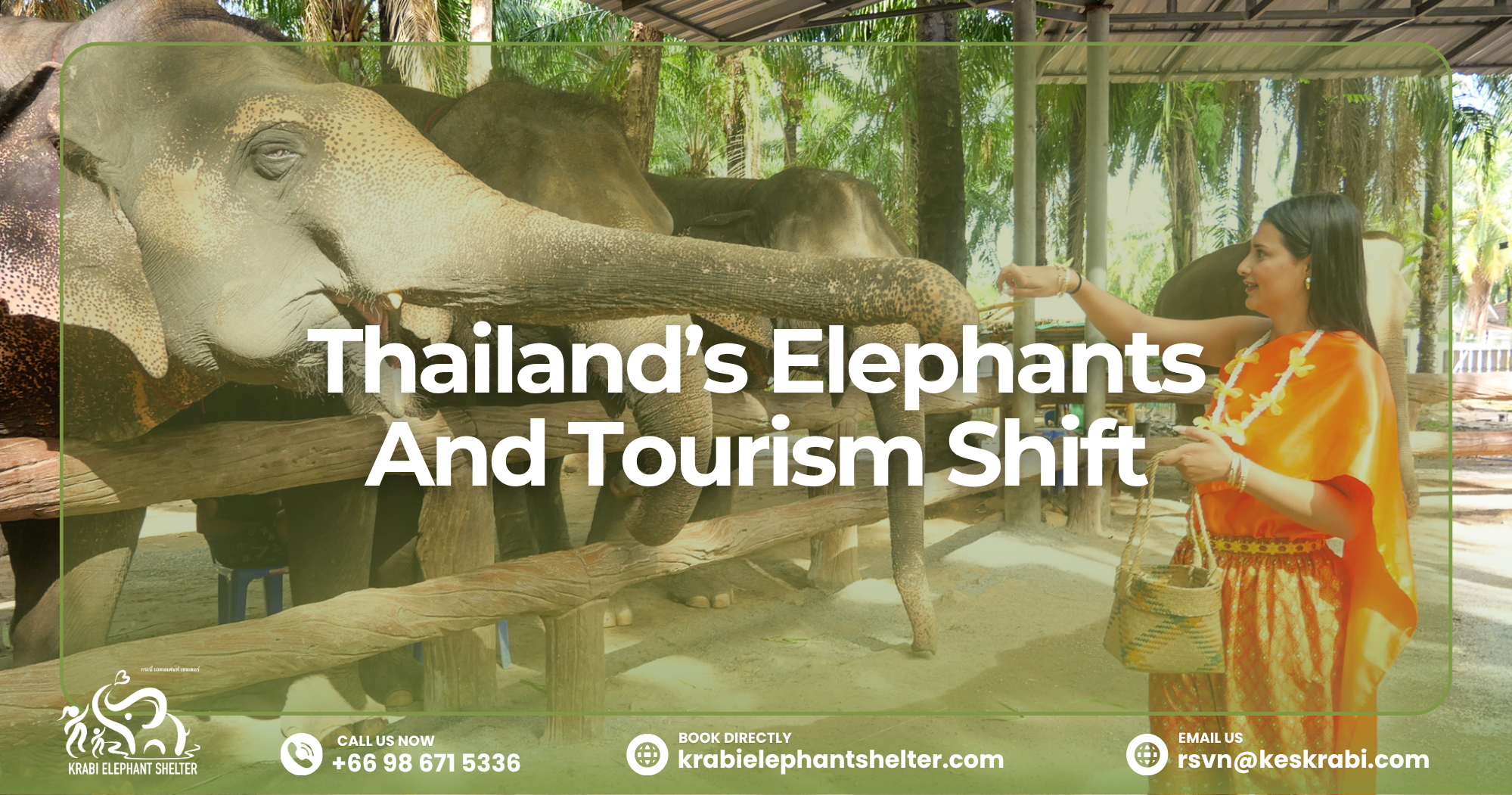
Thailand’s elephants have endured a lot over the years. From the times of wars and logging to the colonization era and rapid modernization, they have still managed to be around. This fact alone is quite telling.
On the other hand, merely surviving does not equate to flourishing. The difference between these two is actually where most of the main work is currently carried out.
The realignment of tourists’ mindsets has indeed made a positive impact. More people are now raising the right issues before engaging themselves in any elephant-related activities. Not only that, but they also wish to know how the animals have been treated. This shift in demand is pushing the industry to change.
People living in the area must also share the responsibility. The best kind of conservation results from situations where the locals who live near the elephants not only protect the animals but also want to do so. Tourism that does not harm the environment, job provision for rangers, and the establishment of community programs to reduce conflicts are some ways this type of bond forms.
However, human activities continue to threaten elephants in Thailand. The threats are very real, and the pressures are relentless. But there is also a growing movement of awareness, ethical infrastructure, and genuine care than there was even a few years ago.
If you wish to contribute to this, no matter how small, one of the most impactful things you can do is to support organizations such as Krabi Elephant Shelter. Visit our website, understand the mission, and learn how even a single visit or a single donation can really make a difference to these animals.