Elephants are strong, smart, and very loving creatures, but their power is not only due to their giant body. It is the food that they consume that makes them powerful. Knowing what elephants eat, their feeding habits, and their dietary requirements is a must for those who want to take care of them in a proper way.
At Krabi Elephant Shelter, a rescue sanctuary committed to giving no-riding ethical experiences, elephant health is first and foremost about good nutrition. Each meal is designed to provide the necessary energy, digestion, good mood, and general health of the elephant.
We review what the favorite foods of elephants are, the effects of their wild habits on their diet, whether elephants eat meat, and how Krabi Elephant Shelter can offer a healthy diet to each elephant, depending on its age and condition, in this article.
What Do Wild Elephants Eat?
Elephants are herbivores, which means that they do not eat any meat, and their diet consists only of plants. They are constantly on the lookout for food in their natural habitat. An average elephant may eat anywhere between 120 and 200 kilograms of food.
Their diet in the wild consists of grasses, tree bark, roots, leaves, any plants found in the forest, stems, and fruits that are in season. Since elephants live together in groups and are always on the move, they feed on all types of plants; thus, they get all the necessary nutrients. Even if the food is plentiful, they rarely stay for long in one place. Their movement not only helps them survive but also forests and grasslands by making them “ecosystem engineers.”
Without the right diet, elephants lose their energy very fast and become vulnerable to health problems. The reason why food has to be carefully planned for the refugees is that they cannot afford to take risks with the health of their elephants.
Elephant Eating Behavior And Feeding Habits
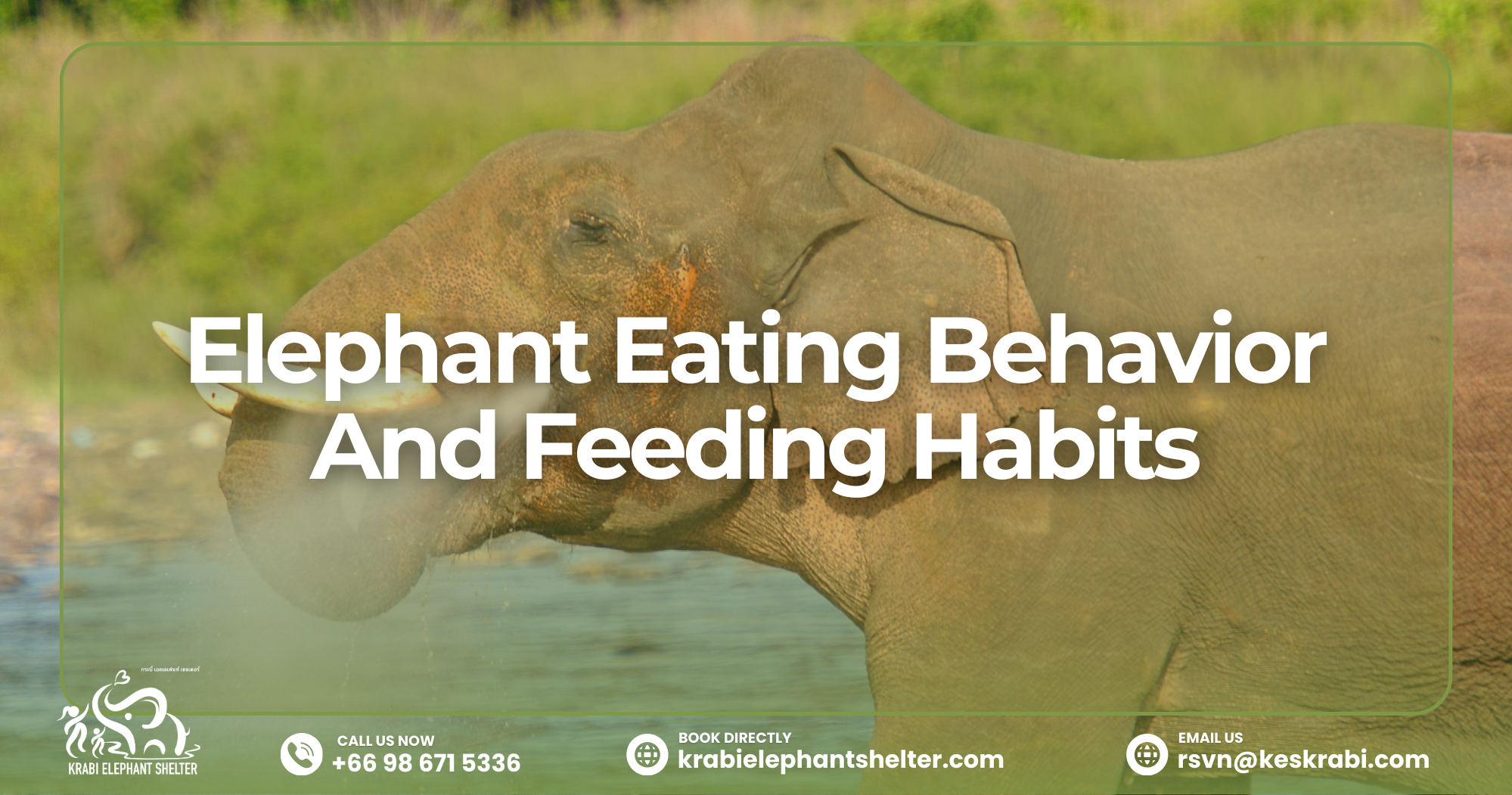
Elephants spend 14–18 hours a day feeding. Because they are massive animals with huge digestive systems, they must eat constantly to maintain energy.
Their feeding habits include:
- Grasping vegetation with their trunk
- Pulling grass from the ground
- Breaking branches to reach tender leaves
- Using their tusks (if present) to strip bark
- Digging with their feet for roots or minerals
Their teeth are especially made for crushing and grinding tough plant material. Over time, these teeth wear down and are naturally replaced—elephants typically have six different sets of molars throughout their lifetime.
Their trunk is no less important to them. The trunk is very flexible and versatile, as it contains more than 40,000 muscles. This enables the elephant to take a single leaf from a bunch, lift a heavy branch, and even remove the skin from a fruit. Younger elephants learn proper feeding techniques by watching older herd members.
What Is An Elephant’s Favorite Fruit?
What is an elephant’s favorite fruit? Sweet fruit, especially if accessible, is often the preferred choice of elephants, and they show a particular fondness for the following:
- Bananas: They are easy to eat and are naturally sweet; thus, bananas are almost always the ones that most of the elephants will take pleasure in.
- Watermelon: It is very refreshing and revitalizing, and it is also very suitable for the heat, such as that in Krabi.
- Pineapple: It is a little sour, and it is also fibrous, which is very advantageous for the digestive system.
- Mangoes: They can be referred to as the treats of the elephants, and only during times when the fruits fall naturally.
- Sugarcane: The most popular snack; however, the sugar content in it makes the sanctuaries regulate its quantity.
The truth is that fruit is an elephant’s favorite food, but it should be given in small amounts. If they consume too much sweet food, not only will their digestion be upset, but they will also develop undesirable feeding habits.
The fruit at Krabi Elephant Shelter is dealt with responsibly—it is used during feeding sessions with visitors or for medical enrichment, but it is never used to replace proper meals.
Do Elephants Eat Meat?
The short answer is no—elephants are herbivores. Their teeth and digestive systems are designed to handle only plant-based foods. They do not have the enzymes or the anatomical structure of the stomach that is required to digest protein from animals. Their bodies are designed to eat high-fiber plant foods.
However, elephants do seek minerals by consuming:
- Soil from mineral pits
- Salt-rich clay
- Bark and roots contain trace nutrients
These natural supplements help balance their daily diet.
How Much Do Elephants Eat And Drink?
An adult elephant may consume:
- 120–150 kg of plant food daily
- 70–100 liters of water daily
This rather depends on factors such as the activities that have been done, the temperature, and the availability of natural vegetation. Generally, elephants that live in rescue environments are in need of more regular hydration than those that are free-ranging, and especially those that have been subjected to hard labor, logging, or tourism-related stress.
Elephant Foods That Boost Vitality
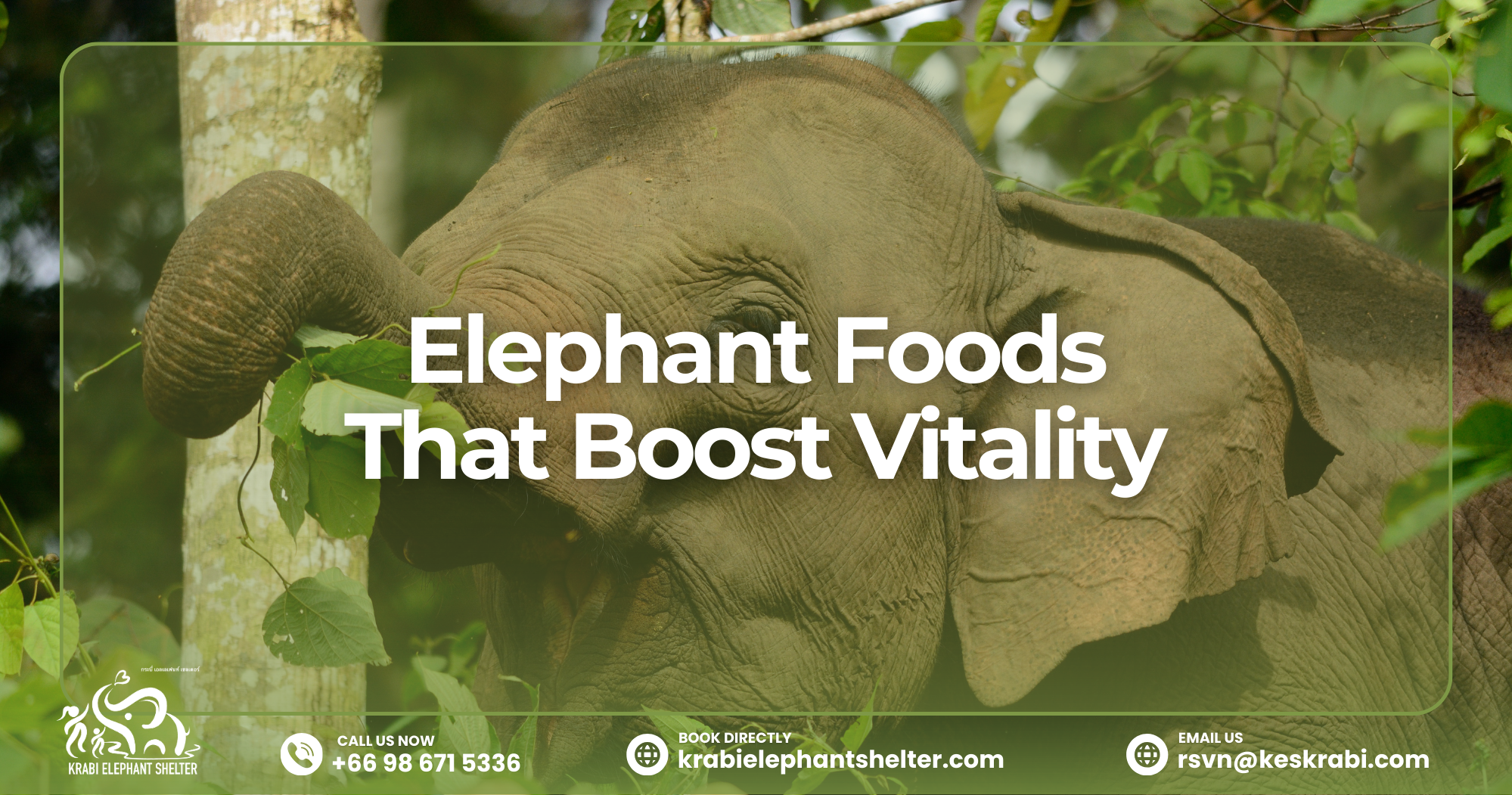
If the elephant is fed appropriately, it will live longer, recover quicker, and its behavior will be more in line with nature. The animal’s diet at Krabi Elephant Shelter is planned to be:
Energy And Muscle Strength
Through the natural sugars found in bananas, sugarcane stalks, and watermelons, the elephants are given a chance to keep their bodies strong without the need for additional artificial supplements.
Digestion And Gut Health
Fiber is a very important element in such plants as banana tree leaves, long grass, and other leafy greens, for which the digestive system of the elephants will be kept healthy, and they will have regular digestion. The digestive system of elephants is only 40% efficient, which is why they need to be constantly supplied with fiber.
Hydration And Cooling
Besides water, the fruits that have a high water content, along with puddles, mud baths, and ponds, serve as helpers in the thermoregulation of the elephants that are living in Krabi’s hot and humid environment.
Senior Elephant Wellness
Older elephants with worn teeth receive softer foods at the shelter. This may include cooked pumpkin, soft banana stalk, boiled rice balls mixed with herbs, or finely cut greens.
Mental Satisfaction And Enrichment
Feeding time is more than nutrition—it provides stimulation. Elephants enjoy:
- Searching for food hidden in natural spots
- Breaking stalks and branches
- Exploring different textures and tastes
Food encourages natural behaviors essential for emotional well-being.
How Krabi Elephant Shelter Cares For The Elephant Diet
Krabi Elephant Shelter is a rescue sanctuary that is very mindful of the elephant’s health. The elephants are diverse and varied in their backgrounds; some are coming from the woods, while others are from the entertainment camps or are isolated in distressful forest environments. As a result, the elephants’ dietary care has become a necessity, and each one must be handled differently.
Elephant Diet At the Krabi Elephant Shelter
- Diet plans are individualized. Caretakers observe and check the age, weight, dental condition, and activity level. For example, more fiber is given to younger elephants for their growth, while older ones are provided with softer foods in order to protect their teeth.
- Feeding habits are similar to those in the wild. Elephants eat slowly and frequently, a behavior that is kept up throughout all programs.
- The food is produced with considerate methods. Banana trees, grass, fruits, and greens are all fresh daily stock from local farms. Thus, putting great emphasis on the elephant’s health and the community.
- Elephants also have access to clean water. Large troughs and natural water areas are always at their disposal so that elephants can be refreshed no matter the weather conditions.
- Regular food and dental checkups assure safe eating. Such checks help to detect issues at an early stage, particularly in aged elephants.
Moreover, tourists are allowed to order food at the local shelter while elephants are getting their meals that are strictly made according to their dietary requirements. Additionally, some programs offer walk-in services and provide shuttle services to make it convenient for tourists to get to the location.
Food Is The Foundation Of Elephant Wellness
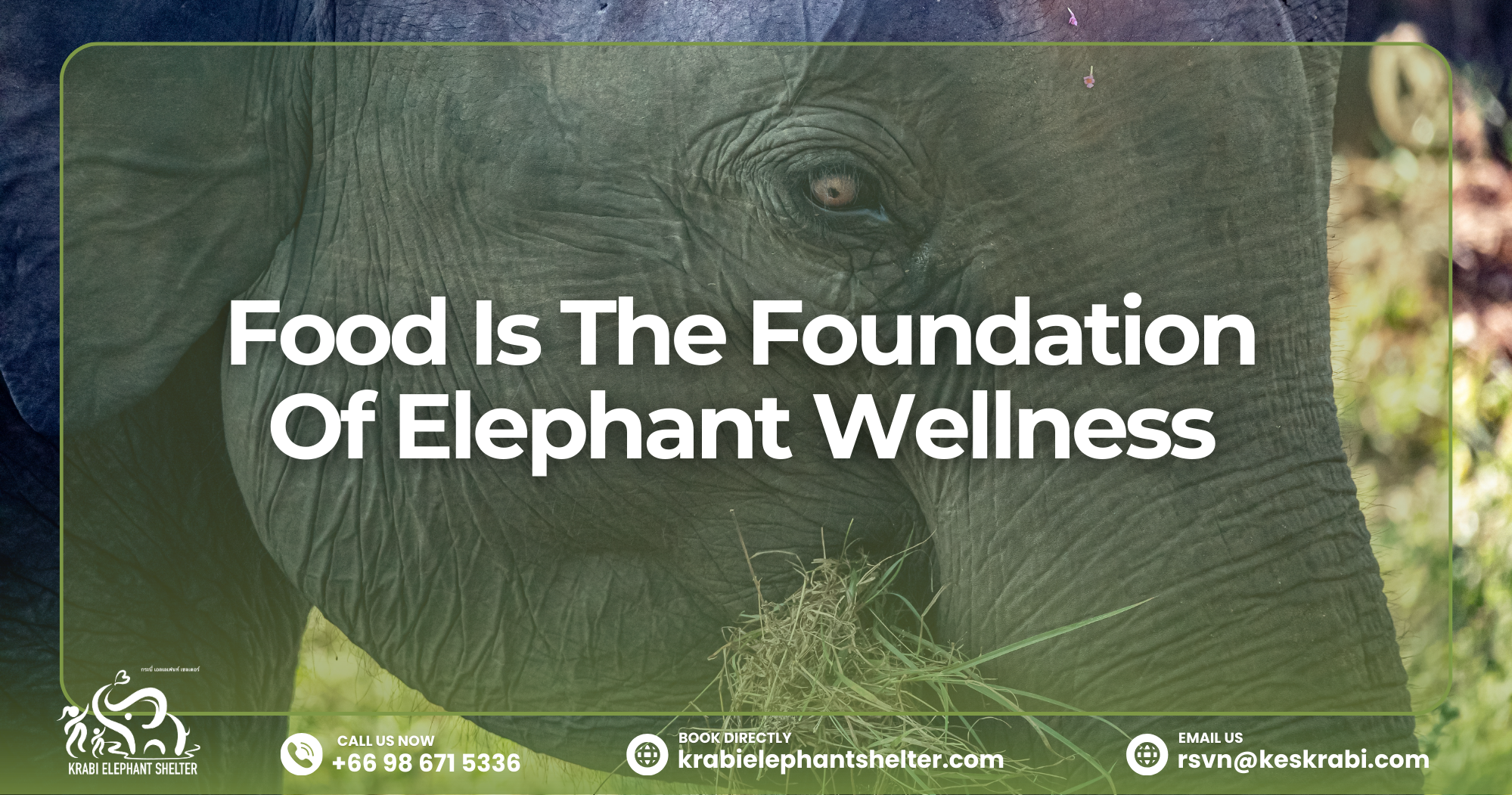
Elephants depend on a fiber-heavy diet, which includes plants, fruits, and plenty of water, to keep their energy and good health. Their strong digestive system and their diet are basically made for them to be full of life. Nutrition at Krabi Elephant Shelter is the fuel that drives the whole mission—rescue, rehabilitation, and care that is kind to the animals.
Through the provision of foods that are natural, activities that enrich, and feeding that is safe, the shelter makes sure that each elephant receives not only the proper nourishment but also the dignity they are worthy of. When you come, you don’t just learn what elephants eat; you help them recover.
In case you want to see elephants in an ethical way, which is the result of compassion and giving them the right kind of care, then Krabi Elephant Shelter is where you will get a deeply moving and unforgettable experience.
Make your reservation for the Krabi Elephant Shelter right away!
When you go to Krabi Elephant Shelter, the money you pay to get in goes directly to taking care of the elephants, including their food, medical care, and keeping their home clean. You can make your trip worthwhile by helping to protect animals in the long term while also having a once-in-a-lifetime experience with Thailand’s most famous giants.
Call us at (+66) 98 671 5336 or email us at [email protected]
You can book directly at krabielephantshelter.com