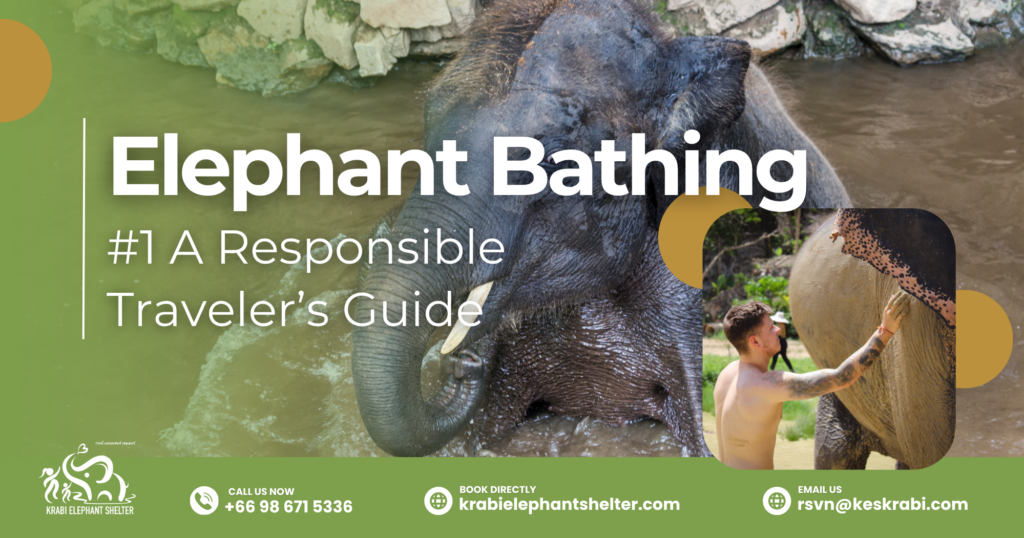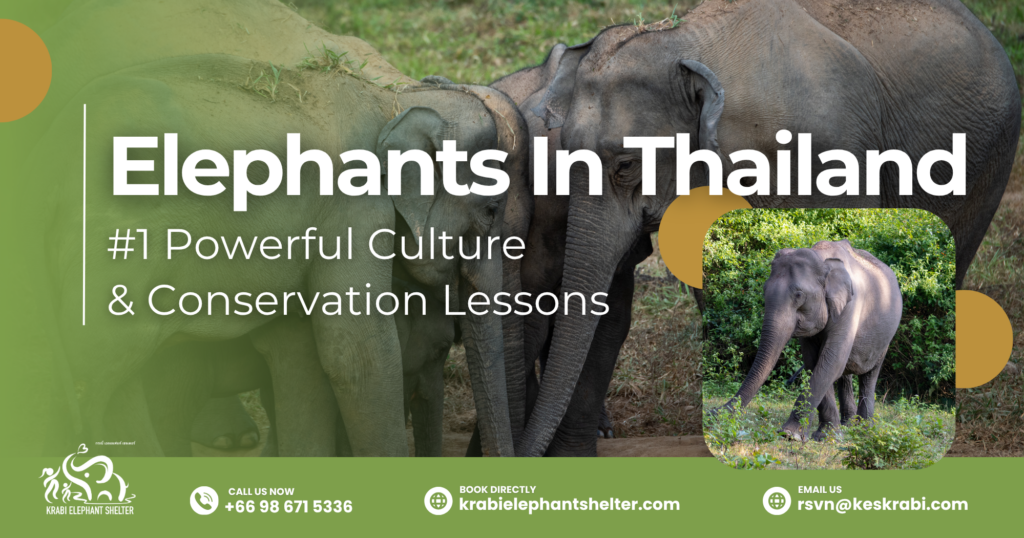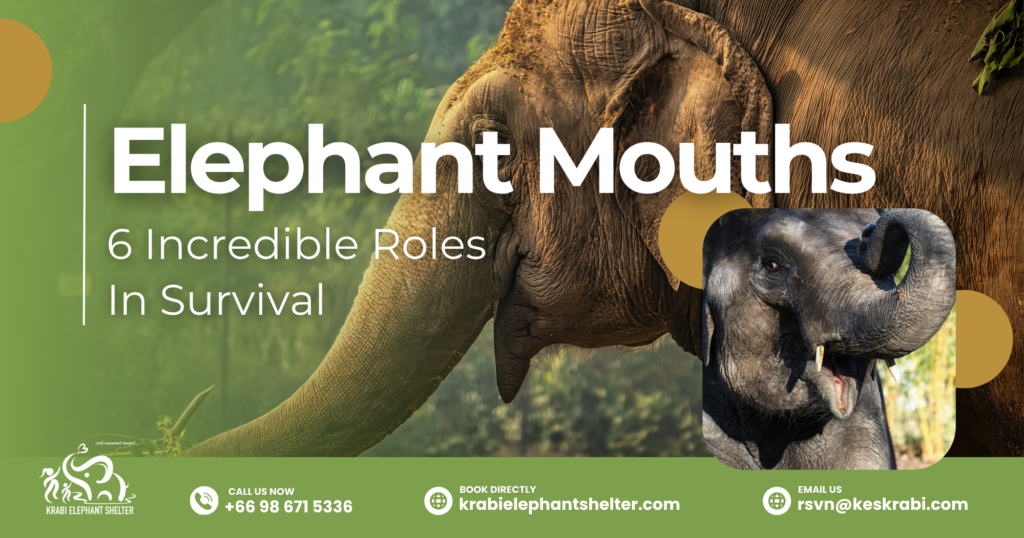
Elephants have always been of interest to travelers. In many parts of Asia, especially Thailand, elephant riding was once considered an essential part of the tourist experience. But beneath the beautiful images of vacationers on the backs of elephants is a disturbing fact.
The practice of elephant riding causes significant harm to these animals, both physically and emotionally. Today, there is an increasing number of sanctuaries in Krabi and throughout Thailand that are renouncing this practice. They now favour more responsible, humane, and educational options. In these sanctuaries, individuals observe elephants rather than exploit them.
The Hidden Cost Of Elephant Riding
While many tourists may view elephant riding as harmless fun, the reality is much darker. The carrying of human beings on the backs of elephants is not their natural practice. Wildlife experts believe that repeated riding with seats and multiple heavy people at the back can lead to serious consequences. These include notable spinal injuries, painful sores, and long-term health problems. Such strain severely impacts the elephant’s physical well-being over time.
Worse is the way of training the elephants to be ridden. Some are taken through a procedure called the crush (or phajaan), during which the young elephants are separated and kept, and physically punished to break their spirits. This can be a lifelong psychological scar to undergo. Animal welfare groups, including Animals Asia and The Guardian, have reported that as many as three-quarters of captive elephants in Southeast Asia are subjected to cruel training, chaining, and deprivation before they are even ridden.
Why Ethical Sanctuaries Say No To Riding
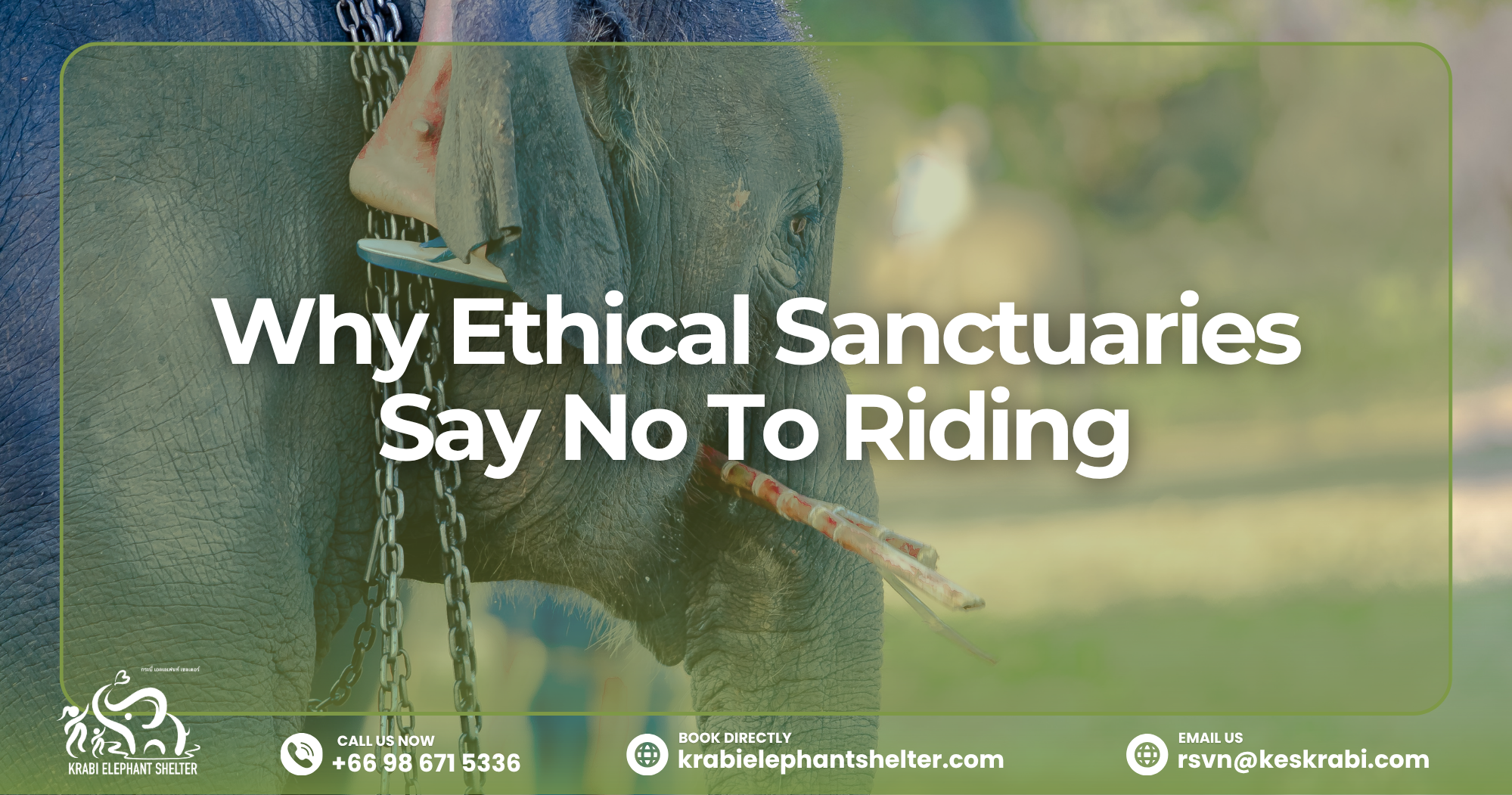
Due to the increasing awareness, animal sanctuaries in Krabi and elsewhere have adopted a strong stand on elephant riding. Establishments such as Krabi Elephant Shelter lend a spotlight to a framework that was founded on welfare, respect, and education. They are also ACES-certified, meaning that they comply with rigid international guidelines regarding the treatment of the elephants and their interaction with tourists.
These sanctuaries provide the elephants with the opportunity to live normally and socialize without subjecting them to training and carrying heavy loads. Instead of riding, visitors are invited to see, feed, or simply walk with the elephants in a way that does not humiliate them. Such experiences can forge closer connections and enhance insights, without harming.
The Rise Of Responsible Tourism
Thailand is transforming its tourism. Travellers are becoming more aware of such ethical concerns and are demanding to experience things that are more in line with conservation values. A 2017 report by World Animal Protection showed that more than 200 travel companies had signed a pledge not to promote elephant riding, with a growing number of tourists choosing elephant-friendly tourism.
This can be seen in Krabi. People do not want to experience only a few fast thrills, but deep emotions that could allow them to get to know the life, history, and natural behavior of elephants. This is a win-win situation; people are getting to experience the real elephants, and the animals are in a safer and healthier habitat.
What Tourists Should Avoid
Tourists should be careful when deciding on an elephant experience. All the places that declare themselves as sanctuaries do not adhere to ethical principles. A few of them continue to ride or even coerce elephants to do tricks. Some of the red flags are having chained elephants or not allowing them to interact with each other. Forcing them to paint, dance, or stand unnaturally to take photographs is also a warning sign.
The traveler needs to demand transparency: Does the place describe its approach to welfare? Does it have the endorsement of other credible agencies like ACES or Global Spirit? These questions are welcome in ethical sanctuaries, which are more than happy to demonstrate their concern with the well-being of the elephants.
Humane Alternatives To Elephant Riding
With the idea of riding on an elephant off the table, there are still a lot of interesting and respectful ways to interact with these massive creatures. Ethical sanctuaries provide both visitor and elephant-friendly options. Guests have the opportunity to participate in observation tours and observe the elephants as they bathe, play, and forage in their natural habitats.
Feeding programs enable tourists to bring fruits and vegetables to generate close but distant interactions. Walking experiences allow visitors to walk with the elephants and watch them without getting on their backs. Lessons on the conservation work and the biology of the elephants are also frequently found in many of the sanctuaries. They also highlight the problems that these animals encounter in the wilderness and in captivity.
These activities help to ensure that the health of the elephants stays intact; besides, they are known to be more fulfilling and memorable to the tourists than a ride that may take a short time.
A Path Toward Compassionate Tourism
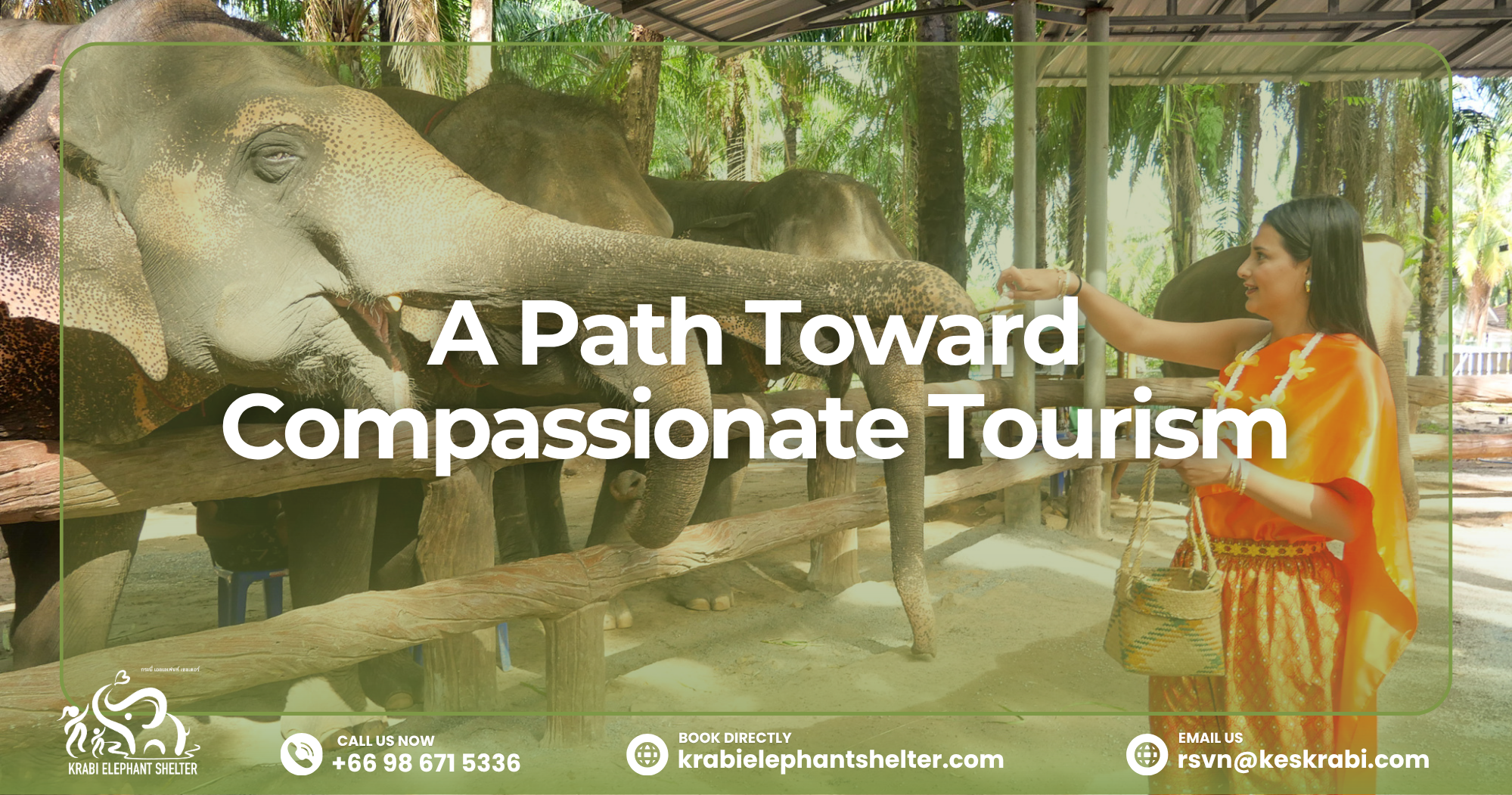
The decline of elephant riding in Krabi and other places marks a big step toward kinder tourism. Visiting responsible sanctuaries while traveling is deeply significant, as it supports ethical treatment of animals. It also helps prove that the notion of using elephants for entertainment is unacceptable. These animals are living beings who deserve respect—not abuse.
Each time an ethical sanctuary is visited, the tourism industry is being pushed towards improving its ways and safeguarding the future of the elephants. Tourists really can make a difference. Refusing to ride the elephants and instead employing other alternatives that are more humane enables tourists to get quality experiences. It also helps in ensuring the welfare of these animals.
By making responsible decisions, tourists can not only save elephants but also help local communities that rely on ethical tourism. Welfare-oriented sanctuaries tend to collaborate closely with the locals. In doing so, they provide employment opportunities and build awareness. They also foster a culture of love. It will assist animals and people in a more sustainable form of tourism.
Ultimately, it is not just that the paradigm of activity is shifting when it comes to the issue of abandoning elephant riding, but also the attitudes. By appreciating elephants as they are, not as they could be, we honor their true nature. In doing so, we participate in creating a world where animals are treated with respect. By opting to take the humane decision, future generations will have a chance to see the elephants living in their safe and respectful habitats.
Book your trip to Krabi Elephant Shelter now!
By visiting Krabi Elephant Shelter, your entrance fee directly supports the elephants’ care, including their food, medical treatment, and habitat upkeep. It’s a meaningful way to make your trip count—contributing to long-term animal protection efforts while enjoying a once-in-a-lifetime encounter with Thailand’s most beloved giants.
Phone: (+66) 98 671 5336
Email: [email protected]
Book directly at krabielephantshelter.com