Elephants hold the record for being some of the longest-living land mammals on Earth, but their lifespan can differ significantly depending on nature, care, and the extent of human influence. Many people believe that elephants typically live for several decades. However, life for elephants is quite complex.
In order to properly understand how long elephants live, one has to consider not only their biology but also their habitat, stress levels, and quality of care. Such information also benefits travelers and wildlife enthusiasts in making informed, ethical choices when interacting with elephants.
Variation In Life Expectancy Of Elephants At Different Species
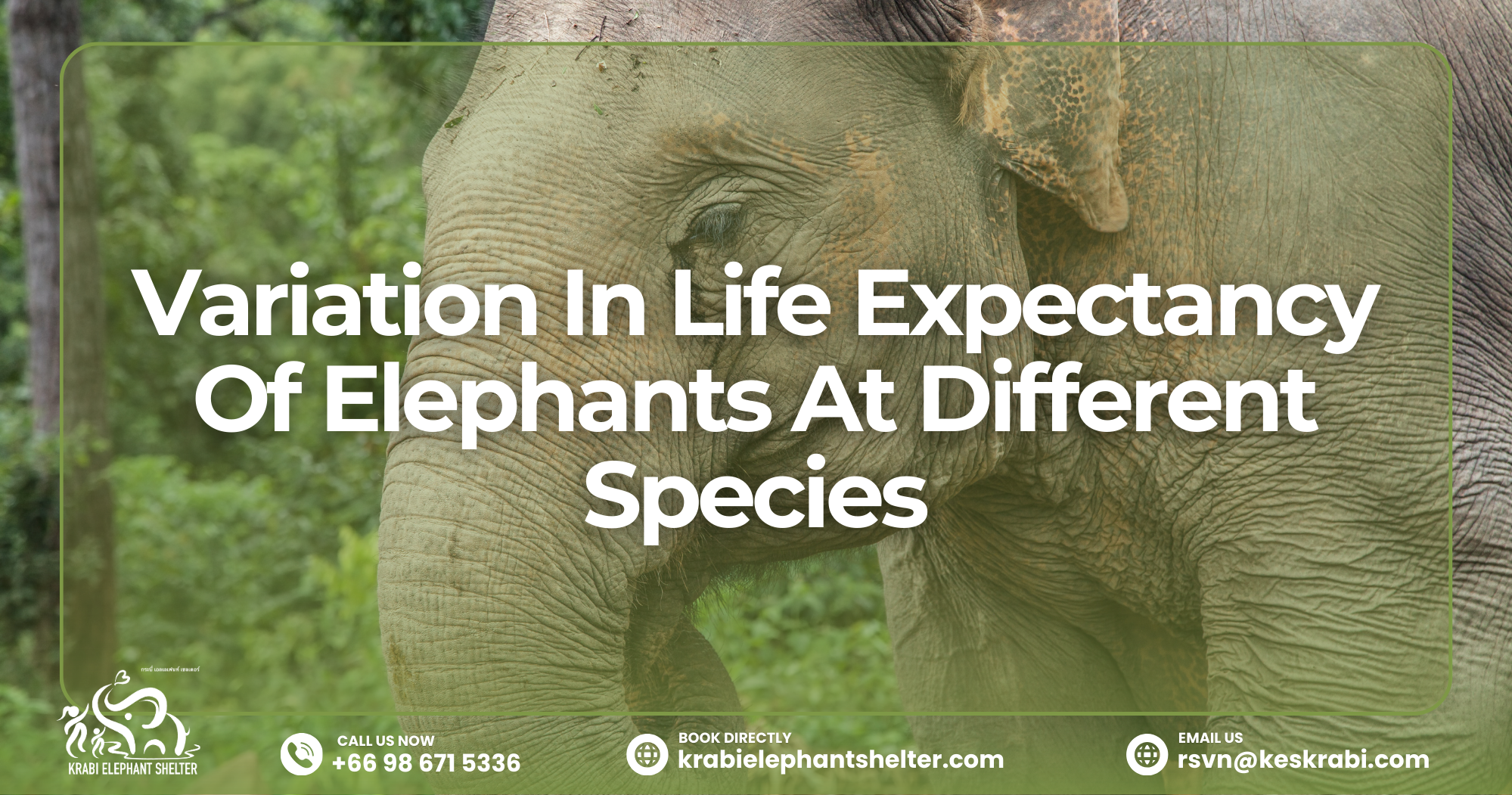
Elephant life really depends on which species they belong to. One of the reasons why African elephants tend to have a longer lifespan than Asian elephants is that they differ not only in size but also in their natural habitat, as well as genetic factors. In the wild, African elephants are said to live as long as 60 to 70 years, whereas Asian elephants are generally believed to live up to 50 to 60 years.
Yet, these figures denote the best circumstances. Of course, not all elephants are fortunate enough to grow old. The death rate of infant elephants is particularly high in the case of unconnected habitats. Those elephants that manage to pass the stage of infancy usually lead longer lives, provided that there are abundant food sources and a stable social environment.
Elephants are slow to age when compared with other mammals. They go through physical growth points in their twenties and emotional development even later. Such a lengthy period of growing up means that having a stable environment is crucial for their survival.
Life Expectancy In The Wild: Freedom With Challenges
Wild elephants largely derive their benefits from natural movement, complex social interactions, and the ability to engage in their own behavior. The groups travel, search for food, and communicate without any restrictions that help them to stay both physically and mentally fit. Besides, the matriarch leads herds and passes on the necessary knowledge to the younger ones that can help them survive.
However, there are still a couple of serious threats that wild elephants have to face. For one thing, the continuously shrinking forested territories as a result of habitat destruction automatically deprive these animals of their range to relax and roam.
Secondly, those confrontations between humans and elephants, unsurprisingly, result in wounds and even death. Thirdly, poaching continues to be the primary reason that contributes to elephant deaths, especially those magnificent ivory-bearing ones.
On top of that, droughts and lack of food also cause a decrease in the longevity of the animals. Typically, aging elephants need more time and have a harder time finding food when the level of vegetation is severely reduced.
Even the wisdom of the oldest matriarchs in the herd cannot guarantee a safe passage through scarcity and resource depletion when the situation becomes challenging. Therefore, the average lifespan in various parts of the world is still going down due to the mentioned factors.
Elephant Life Expectancy In Sanctuaries
Elephants raised in ethical sanctuaries can live just as long, if not longer, than their wild counterparts. But this entirely depends on the sanctuaries’ level of care. Top-notch facilities never compromise on the elements of space, diet, health care, and mental health.
The elephants at Krabi Elephant Shelter enjoy a lifestyle that is similar to that in the wild without any element of riding, chaining, or staging a show. This place is not only free of stress-inducing activities but also dictates the lower production of stress hormones, better immune function, and naturally healthier aging.
Health checkups become a part of the lives of elephants in the sanctuary. The elephant’s daily intake of food is based on factors like the age of the animal, its teeth, and the condition of its digestive system. The oldest individuals benefit the most from this care method since it tightly corresponds with the needs determined by their worn teeth and stiff joints.
Different from the usual captivity, ethical elephant shelters give their residents enough space to express their will and make decisions. Therefore, the freedom of choice that elephants have significantly influences their lifespan.
Main Reasons Behind Elephant Longevity

An elephant’s life expectancy results from a variety of interconnected factors. The social hierarchy is probably the most significant among these factors. Elephants that live in secure groups are happier and experience less anxiety and depression due to the companionship, which makes them less likely to shorten their lives because of isolation.
Food is pivotal as well. Constantly, elephants need to feed on a very large volume of plant matter. Ensuring a well-balanced diet is the key to avoiding malnutrition, obesity, and illnesses of the digestive system. Feeding is deliberately controlled in sanctuaries that aim to mimic natural forage patterns.
Medical attention plays a vital part in determining how long a patient will live. Preventive measures and early diagnosis of invasion or infection of pathogens, cases of abscess on the sole, or intestinal parasites result in a prolonged life expectancy. In other words, preventive care can contribute to a dramatic increase in living standards.
Lastly, the stress factor remains decisive in any case. Unrelenting stress is one of the things that speeds up the process of getting old. The absence of such factors as noise, overcrowding, and coercion, as well as the silent presence of high standards, leads to natural aging in elephants.
Elephant Life Expectancy Is Mainly Influenced By Ethical Care
The life prognosis of an elephant depends on human actions toward this animal. Harmful environments make the elephants’ lives short by stressing, injuring, and neglecting them. A kindhearted place will undo these miseries and focus on the animal’s welfare.
Krabi Elephant Shelter is a haven where the focus is on rescue, rehab, and taking care of the animals for life. An elephant that has been through rough labor or tourism gets its physical and psychological wellness back gradually.
People watch elephants without disturbing them. Here, the elephant’s nature is safe, and no mental trauma is caused. Moreover, ethical tourism directly contributes to a longer life, as its proceeds fund the provision of appropriate care.
By spending your time in an animal-friendly sanctuary, you are not only helping the environment and the elephants, but you are also changing the lives of those animals for the better.
Protecting Elephants Through Ethical Care

Elephants are capable of living long, happy lives, but whether they get to live like that is entirely up to how well they are taken care of, the environment they live in, and the amount of respect that is shown to them. On one hand, wild elephants live best when they have plenty of space and a bit of freedom with their social circle, and on the other hand, they are also constantly facing different kinds of dangers. Elephants in sanctuaries should be taken care of in an ethical manner, which means the silly mistakes should be kept to a minimum at all times.
Krabi Elephant Shelter is a good illustration of how rescue-based and honest care can definitely increase an elephant’s lifespan and, at the same time, keep up the dignity of the animal. Learning about these things will help the visitors to support ideas that are going to be a real help not only to elephants but in the near and distant future as well.