One of the longest-living land animals is the elephant, along with humans. Elephants are quite sophisticated with their massive brains, social organizations, and very tight family relationships that make them one of the most fascinating animals to discover.
Most people wonder about the age of elephants, mostly after seeing these huge animals being healthy for a very long time, and the idea of a wild animal being a great one is disproved. If wildlife workers know the natural lifespan of an elephant, they can design more suitable conservation measures. This knowledge helps maintain the stability of the wild elephant population.
Just like humans, elephants experience various life stages like baby, teenager, adult, and senior. Their lifespan additionally depends on many factors, including environment, health, food availability, and human impacts.
Understanding how long elephants live gives the nature workers an idea of how to protect the elephants and ensure a well-balanced wild animal species. This essay describes the typical lifespan of an elephant and how different environmental situations impact it. It also compares male and female elephant lifespans and examines the factors that may reduce their longevity.
How Old Do Elephants Live On Average?
Usually, elephants live for around 50–70 years. However, some elephants that experience excellent conditions may live even longer than the average. Wild elephants have a life expectancy of 55 to 60 years, on average, but it is not unheard of that some individuals reach their late 60s or early 70s. In fact, their lifespan in some respects is pretty equivalent to that of humans; for example, they have long childhoods and close family ties.
Like humans, elephants also take a long time to grow and start maturing only when most others have already reached their stage of maturity. Female elephants usually have their first calf when they are 12-15 years old, and they can continue having calves for several years. Even more, their pregnancy lasts for the greatest length of time among all mammals on land, at about 22 months.
Elder elephants are quite invaluable to their groups. The oldest female elephant, who leads the herd, remembers the location of water, migration paths, and the finest food. She guides the group entirely from memory and knowledge, helping the youngest elephants withstand harsh situations through her support. Although many elephants will live decades, their longevity heavily depends on factors such as their locations and their way of living.
Which Factors In Ecology Influence Elephant Age?
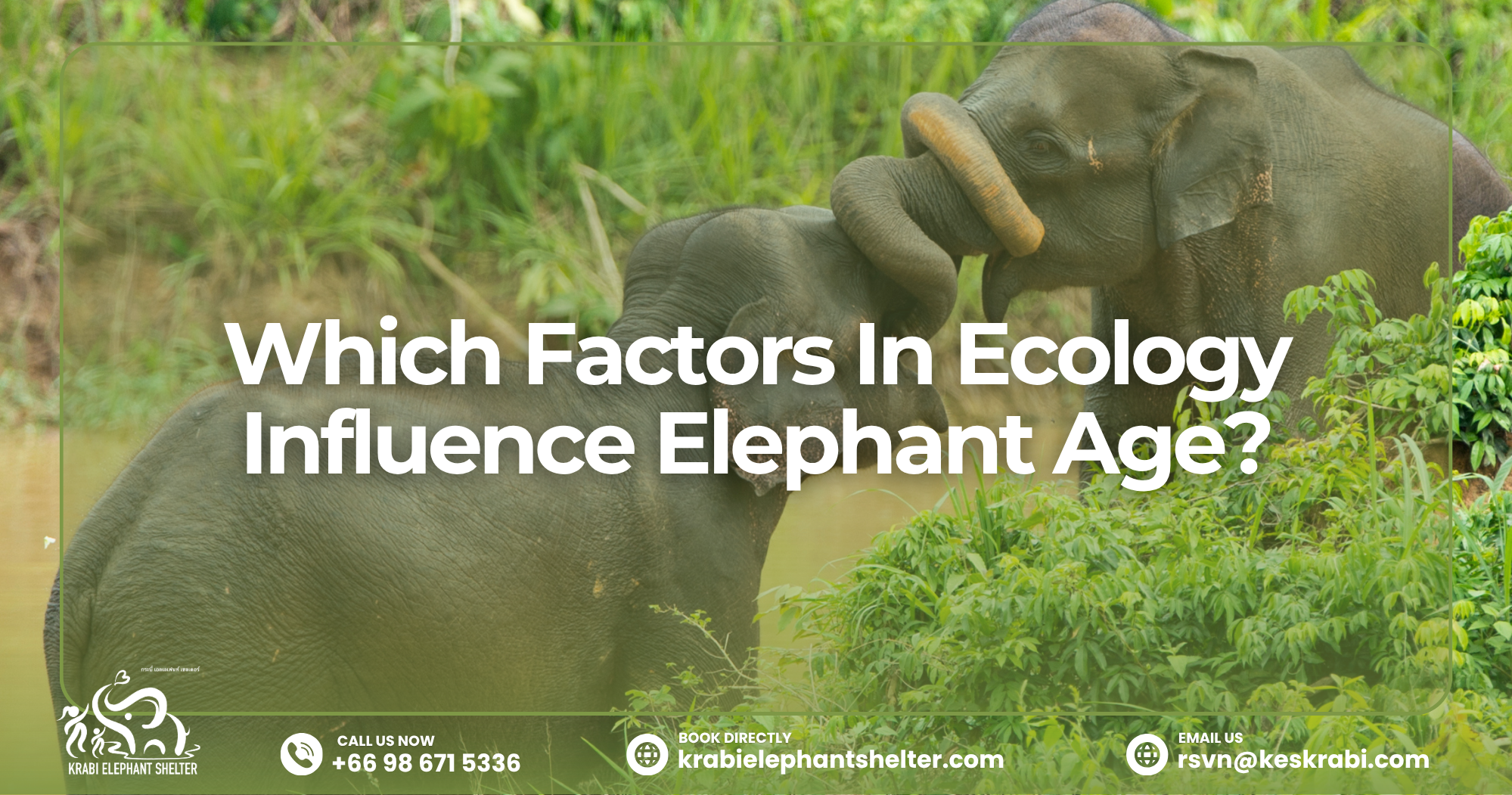
Ecology is a leading factor in estimating how long elephants may live. Wild elephants that live in healthy ecosystems are most likely able to reach their full lifespan.
There are a lot of benefits if elephants are left to live in natural habitats where they have the freedom to roam around. Such places are the ones where a lot of different kinds of trees, water, and space for the animals to move around are available. In such a safe, resource-rich environment, elephants can live long and be active in their later years.
On the other hand, environmental hazards can cause an elephant’s death prematurely. Deforestation, farming, and town building shrink the elephant’s island and reduce food sources. When habitats are made smaller, it is quite possible that the elephants cannot find enough food and water anymore.
Weather conditions are another factor that contributes to elephant survival. If a drought lasts for a long time, the water supply can be limited, and it can also impact the growth of vegetation. This will, in turn, make it very difficult for the elephants to fulfill their nutritional needs on a daily basis.
Elephants usually live much longer in their natural habitat than in a human-controlled environment. Thus, a wild elephant can be expected to live longer than a captive one. In this way, the difference between a protected habitat and an environment disturbed by humans significantly influences how long elephants live.
Do Male And Female Elephants Live The Same Length?
Comparing the life expectancy of elephant males and females is another question commonly raised when talking about how long elephants live. Typically, female elephants live longer than males. Females stay together in family units throughout their lives. Such herds provide safety, comfort through interaction, and collective knowledge about sustenance. Cooperative living assists females in evading risks and living orderly lives.
However, male elephants generally leave their mothers’ herds upon maturity. After parting with their family, they either live singly or form loose bachelor groups. Since males lead more separate lives, they are likely to encounter more dangers from predators, injuries, or human conflicts.
Furthermore, male elephants go through a biologically induced state wherein their hormone levels surge, making them more aggressive and competitive towards other males. Such male rivalries often result in physical harm, which in some cases reduces the lifespan. Although significant numbers of male elephants can live for a considerable period, female elephants statistically have a higher chance of achieving advanced ages.
What Factors Shorten Elephant Lifespans?
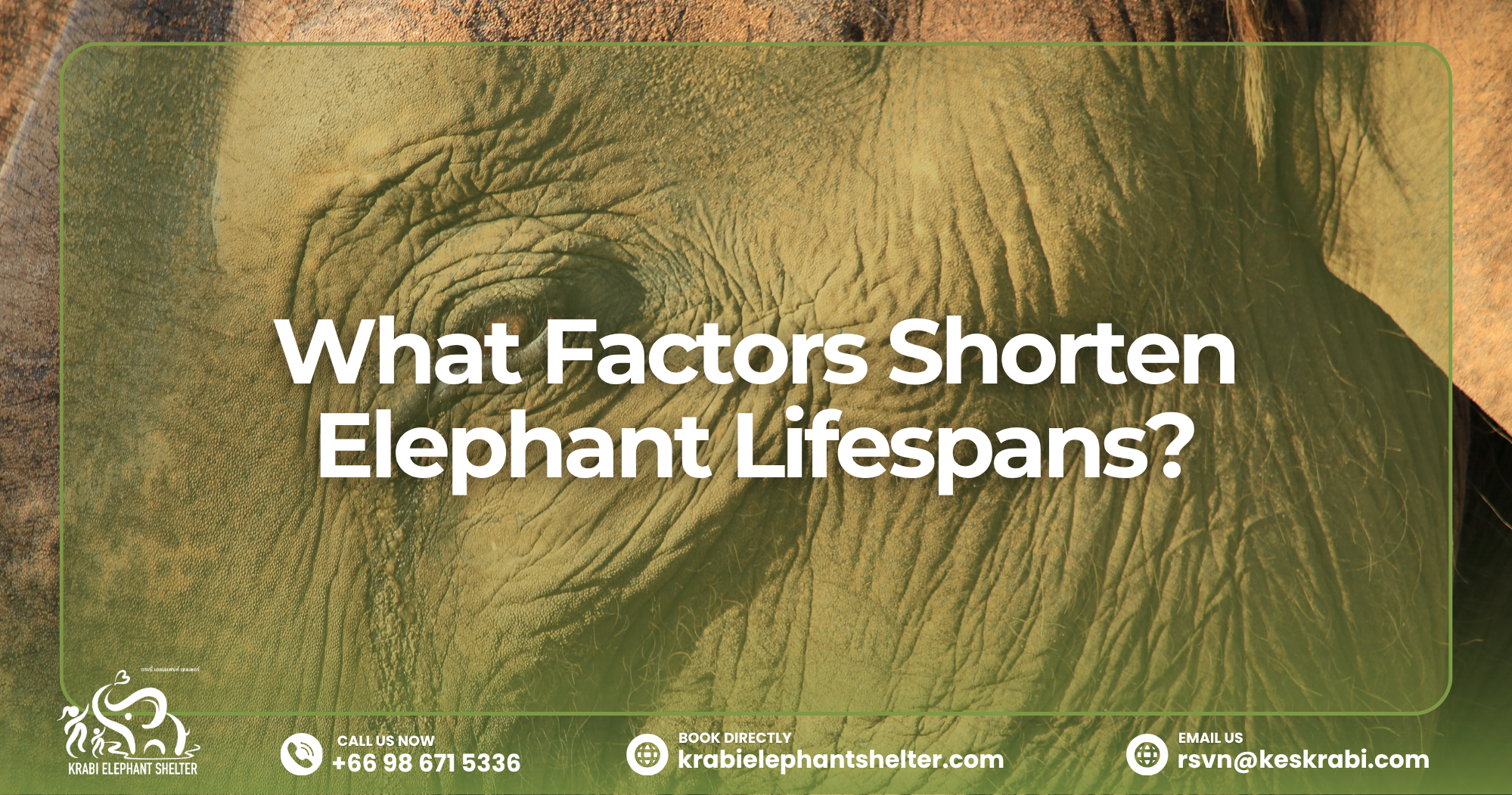
Many factors can shorten the lifespan of elephants, whether they live in their natural environment or under human care. Many of these dangers come from human-related activities.
Habitat Loss
Loss of homes is one of the major factors endangering elephant lives. To make way for farming, infrastructure, and urbanization, forests and grasslands undergo clearing operations quite often. Reduced elephant environments confine them to smaller spaces with limited resources.
Human-Elephant Conflict
Disputes arise when elephants invade farmland to satisfy their hunger. In an attack, the crop-protecting farmer may retaliate against the elephant, in some cases resulting in the elephant’s accidental injury or even death. Besides killings, the conflicts also cause stress on the elephant population.
Poaching
Illegal killing is a major threat, especially for elephants that have big tusks. Even though there have been increases in anti-poaching activities in many areas, there are still some elephants that are killed for their ivory.
Injury And Disease
Injuries or diseases done to elephants are similar to those of other creatures. Health may be compromised by immobility through broken tusks or physical problems such as infections and foot disorders.
Limited Food Resources
Elephants’ daily food consumption is enormous, mostly 150 to 200 kilograms of plant matter. When their food is compromised, or when there is malnutrition and a lower immune system, it could indicate the presence of elephants. Work on mitigating these risks is what will make it easier for elephants to survive and even live up to a natural lifespan.
The Importance Of Protecting Elephant Longevity
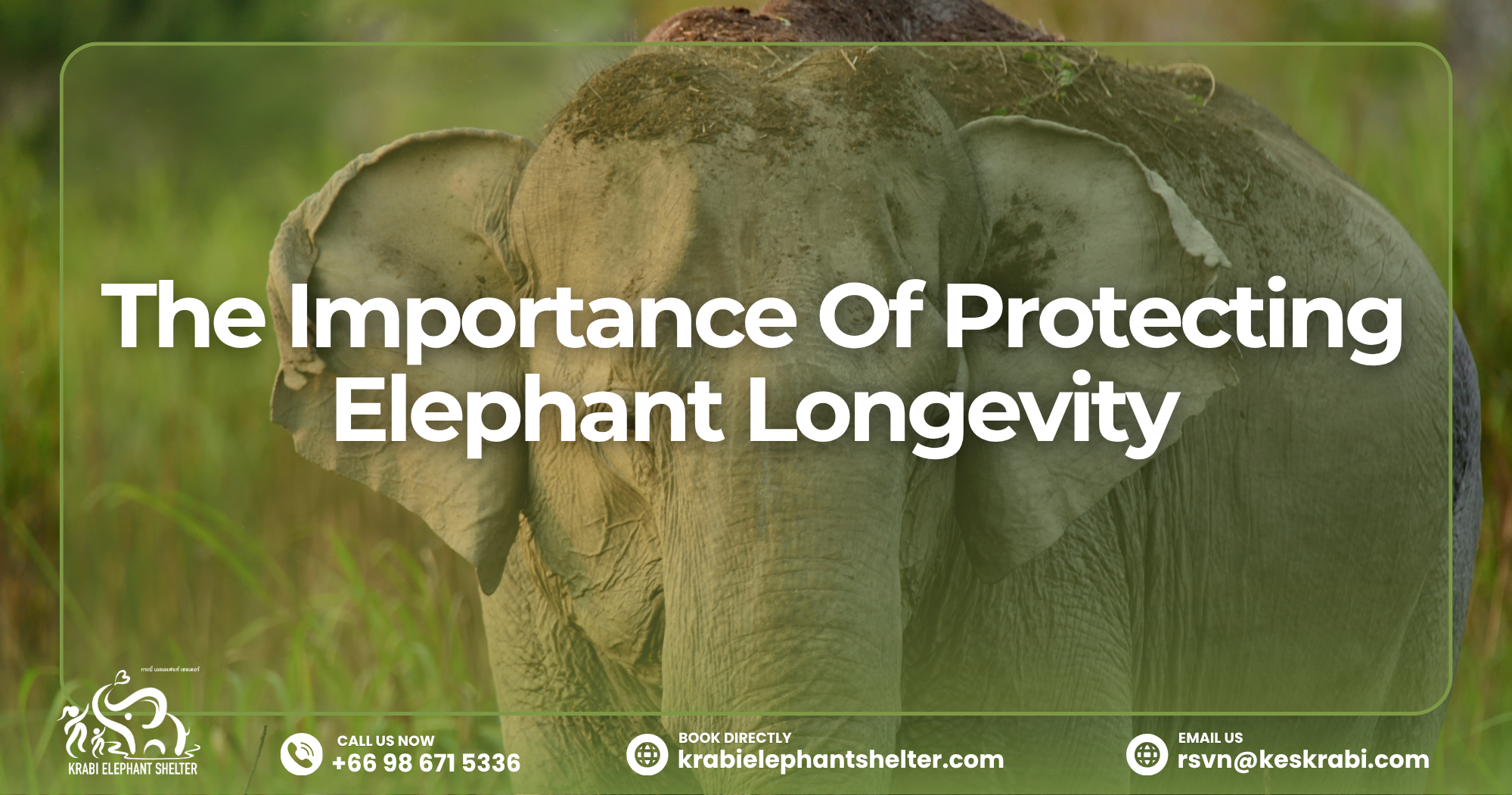
Knowing how long elephants live is one way of pointing out the need to conserve their environments and social lives. For the places they live in, elephants contribute in many ways to the survival of nature.
Elephants have even been referred to as “ecosystem engineers” because their eating patterns affect the structure of forests and grasslands. As they pass seeds and make clearings, elephants are actually fixing up biodiversity and giving other species a good environment to live in.
The oldest elephants, the most knowledgeable herd members, benefit their species and the environment. These wise matriarchs keep memory of past migration routes as well as water points and safe passages through the terrain. The loss of these elders will have serious effects on the survival of the group as a whole.
Conservation efforts aimed at habitat protection, wildlife corridors, and community education have already yielded results in ensuring a better future for the elephants.