Elephants have symbolized Thailand, along with its culture, temples, and tourism, for ages. For visitors, elephant rides were considered one of the “top things to do” for years. However, the consciousness about animal welfare is growing, and this has changed the scenario nowadays. If you happen to raise a question, “Why shouldn’t I ride elephants in Thailand?” then the answer will be a mix of the past and scientific facts. It will also reveal the elephant tourism industry’s secret side.
Only by becoming conscious about the treatment of these creatures can tourists realize that they should interact with them in ethical and responsible ways.
Elephants’ Anatomy
One widely held belief is that because of their huge size, elephants are strong enough to carry humans. In fact, even though an elephant can lift very heavy things with its trunk, the structure of its back is not made to bear pressing-down weight for great lengths of time.
Elephants’ spines stick out with particularly delicate vertebrae. The gear used for riding, especially metal or wooden saddles, keeps pressing this spot. This can eventually lead to:
- Vertebral trauma
- Permanent disfigurements
- Muscle damage
- Persistent pain
Without a saddle, too, the elephant’s back continues to be subjected to the strain of repeated riding.
Elephants’ Pedigree In Thailand Art Of Riding
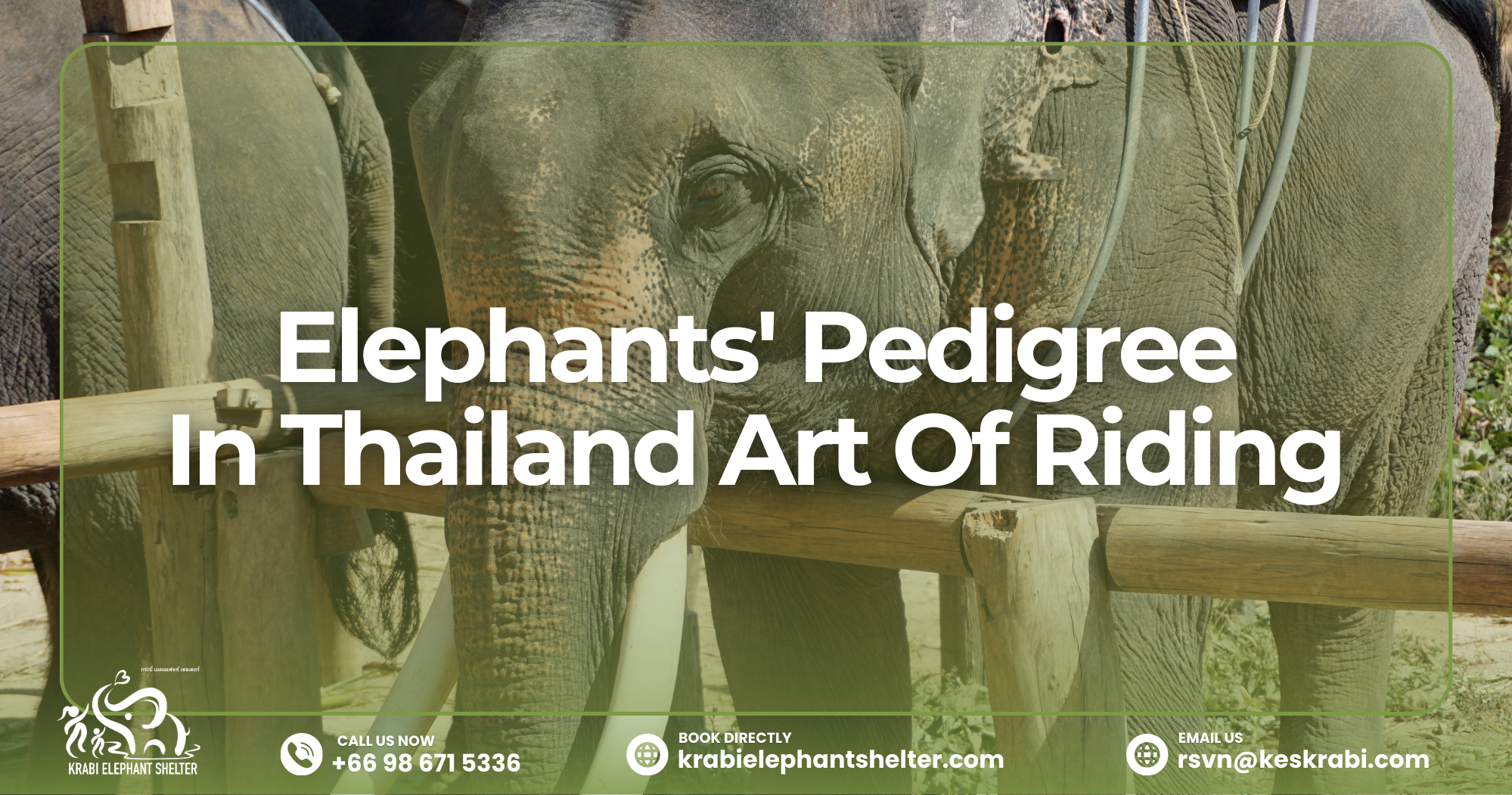
Elephants, or pachyderms, have commonly been viewed as partners with human beings in the house and at work, primarily to share the load and in traditional hunting. In Thailand, their role in loggers’ hands as the great providers of the logging trade actually goes back a very long time. These magnificent creatures were largely put to work in the same way in this industry for hundreds of years. Humans deeply tied their partnership with elephants to labor and survival. Over time, elephants became central to Thailand’s logging trade and cultural identity.
After the royal proclamation of the ban on commercial logging in late 1989, elephants and mahouts were the biggest losers, left without jobs and completely abandoned. Tourism has failed to rescue both these elephants and the mahouts. It created a temporary patch for some elephants, as many were thrown into the tourism sector. However, they were also subjected to a level of exploitation that was completely indifferent to their welfare.
The Auza Cruel Convoluted Park
One of the most important reasons not to take part in elephant rides in Thailand is the way elephants are trained to take humans. Such a method is known as phajaan, or “the crush.”
To say the least, the young elephants are intentionally deprived of maternal care, isolated when they’re confined to tiny spaces, and blamed for the world’s sins. Besides, they are physically assaulted, scared, and starved of sleep until they give in and submit to human commands. The resultant trauma manifests itself in deep psychological scars that are very difficult to heal.
Unreasonably Long Working Hours Leading To Exhaustion
Elephant riding camps frequently have to stick to very tight schedules, aiming at tourists. In such a scenario, elephants might be compelled to give rides for many hours a day, sometimes in the scorching heat, with hardly any breaks.
Wild elephants move about, eat, and interact freely; however, those kept in captivity are controlled, denied their freedom, and made to work excessively. Many elephants experience such stress that they exhibit signs like repetitive rocking, head bobbing, and even aggression.
The Lack Of Natural Social Structures
In the wild, social life primarily relies on the female elephants and their calves. Exposure to the herd teaches them survival and communication skills, as well as emotional bonding.
As far as the riding camps are concerned, the elephants may be separated from each other or put in pairs against their will. The removal of babies is practiced so that they can be trained from the very beginning. Such frustrations come from the disruption of emotional bonds and the resulting anxiety and depression.
You should not ride elephants in Thailand for various reasons. One is the inability to interact with the elephant’s social group, even at a “kind” animal shelter.
The Illusion Of “Ethical” Elephant Riding

Some tourist camps that get involved with elephant riding still try to make themselves look humane or eco-friendly through advertising. Words like “soft riding,” “bareback riding,” or “limited rides” often reassure tourists.
The problem is that the elephant that is ridden has always been through rough training sessions and is still being forced to do something unnatural. Rearing animals ethically means you don’t let them be ridden, perform, or do tricks in the first place.
Health Issues Caused By Captive Tourism
In addition to the damage on the outside, riding elephants can be the source of very serious problems. If elephants’ living quarters are bad, and they constantly have to stand on hard concrete floors, are chained, and are fed the wrong food, then:
- They get infected feet
- their bones and joints become painful
- They have stomach problems
- and a shortage of nutrients in the body
Elephants in riding camps probably only get checked by a vet when they can no longer work.
Ethical Alternatives To Elephant Riding
The Kingdom of Thailand is blessed with survival sanctuaries that are very much in line with the welfare of the elephant. Visitors of these places are offered a chance to observe the species in a natural state, such as walking, bathing, eating, and socializing, rather than playing a role and performing.
The main characteristics of ethical sanctuaries are
- There is no riding and no performing of animals.
- Visits/touches by humans are limited.
- Rescuing and rehabilitating animals is the focal point.
- Harm to the animal’s history and behavior is discussed.
Going to such places supports the tourism industry that cares for and helps elephants have a dignified life.
Impact On Elephant Conservation
One more reason that is not given much attention for why you should not ride elephants in Thailand is the restriction it puts on elephant conservation. Camps for elephant riding create a market for elephants in captivity, and this may lead to increased illegal attempts at breeding and trafficking wild animals.
Conservation in its true form is concerned with the protection of elephants in their natural environments, the prevention of their habitats disappearing, and the support of safe places for abused animals.
How Tourists Can Make Responsible Choices
Everyone knows that what you do as a tourist counts. Tourism decides the type of industries, and the demand is what drives practices. When you say no to elephant riding, you are actually making it less profitable for unethical attractions to stay in business.
Before you decide to go to any place that houses elephants, please inquire about what goes on there. You should always look out for openness, good welfare, and a strict no-riding policy. The location where first comes the posing for photos, doing tricks, and continuous interaction with tourists should be kept away from.
Why Is It Better Not To Ride Elephants In Thailand
It is not a matter of your own morals alone that you shouldn’t ride elephants when you are in Thailand, but more of a gesture symbolizing the recognition of the secret pain behind an activity that was considered innocent.
Elephant riding is essentially a tale of betrayal, physical harm, and psychological trauma. Change is really up to the travelers who, being informed, can make a conscious choice while Thailand is still at the stage of transforming its tourism to be more ethical.
When you choose to watch instead of using and to understand instead of entertaining, you help save one of the most intelligent and emotional creatures on the planet. This allows elephants not to be considered attractions but creatures with feelings.