When people ask, “Is an elephant a mammal?” the answer is a definite yes. Elephants belong to the largest and most fascinating group of mammals on Earth. They share some of the most crucial features with fellow mammals, including human beings as well as other warm-blooded animals. What is more remarkable, however, is really what happens when details of their biological, intellectual, and social lives are revealed as surprising.
As mammals, elephants can now be observed in more detail in terms of qualities that characterize them as warm-blooded organisms that have live births and are able to rear and protect their young. Another remarkable aspect of the elephants is their ability to learn and remember stuff. This further makes them stand out as a separate animal, as far as the mammal family is concerned.
Their capability to identify a person, memorize a place, and even problem-solve signifies a high level of intelligence. These traits show that they are mammals and highlight their rich emotional and mental lives.
More than these general features, elephants demonstrate very unusual qualities: family bonds, emotional abilities, and survival capabilities that, once again, hardly any animals can compare to.
Much more than mammals, they serve as living reminders of perseverance, intelligence, and belonging, and prove to us a powerful vision of the depth and complexity of nature.
What Defines A Mammal?
To be able to tell why elephants are mammals, we should now discuss what mammals are. Generally, mammals have the following in common:
- Warm-blooded: They keep a constant body core temperature.
- Hair / Fur: Mammals possess some kind of hair, even in minute quantities.
- Live birth: The great majority of mammals produce live offspring (a few have rare exceptions, such as the platypus).
- Mammary glands: The female of the mammalian type provides milk to sucklings.
- Complicated structures in the brain: Able to support complicated behavior and learning.
Why Elephants Are Mammals
Warm-Blooded Giants
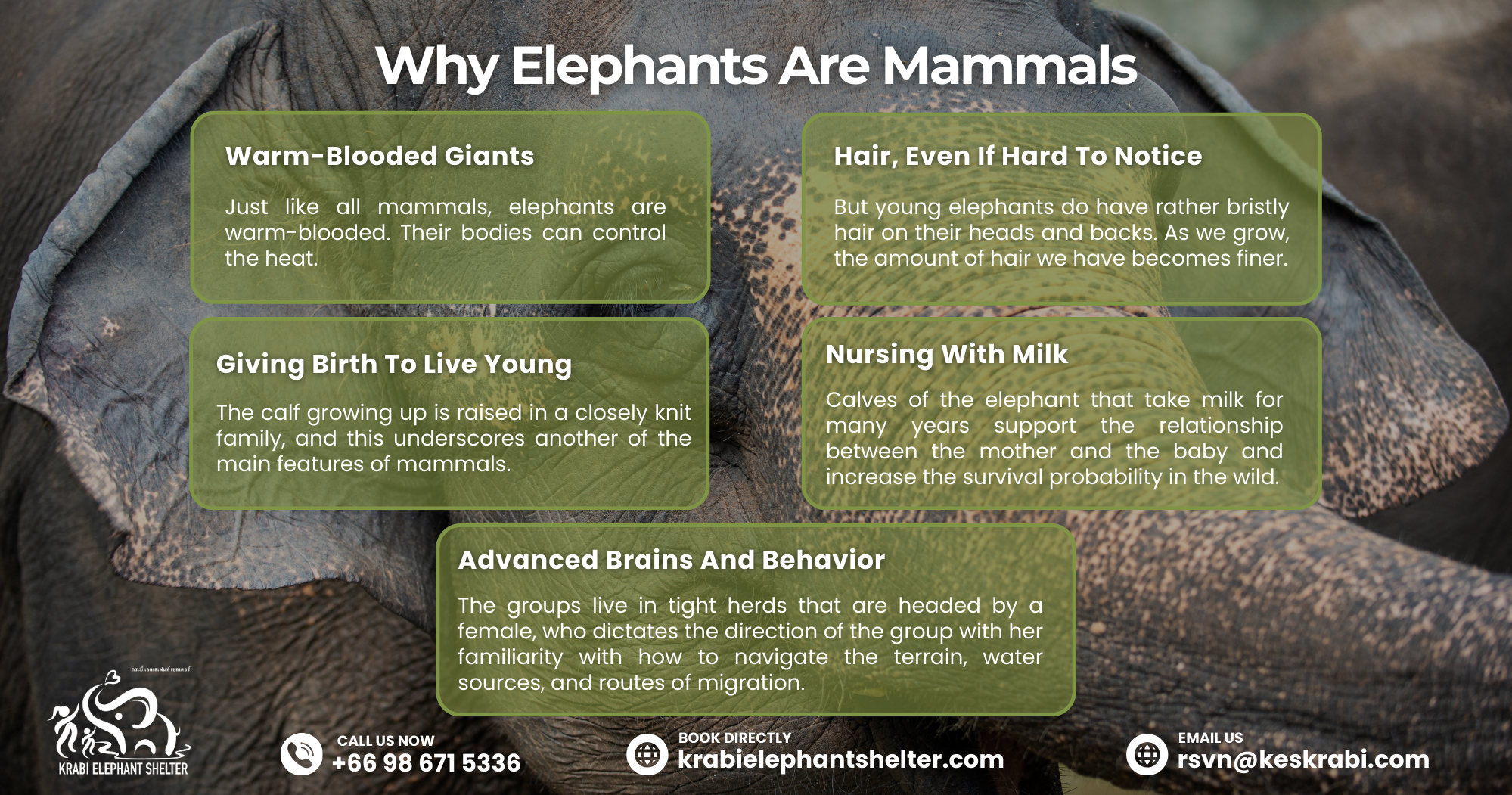
Just like all mammals, elephants are warm-blooded. Even in the hot climates of Asia and Africa, their bodies can control the heat. They have even found unconventional strategies to get rid of the heat, e.g., waving their big ears to get rid of extra energy.
Hair, Even If Hard To Notice
At first glance, elephants appear not to be hairy. But young elephants do have rather bristly hair on their heads and backs. As we grow, the amount of hair we have becomes finer, which makes it less of an issue; however, this fine hair remains as a persistent mammalian trait.
Giving Birth To Live Young
Elephant pregnancy is one of the longest in the animal community—nearly 22 months! The calf growing up is raised in a closely knit family, and this underscores another of the main features of mammals.
Nursing With Milk
One unique feature of mammals is that they feed their offspring on milk. Calves of the elephant that take milk for many years support the relationship between the mother and the baby and increase the survival probability in the wild.
Advanced Brains And Behavior
Elephants are very large land animals. This then allows them to solve problems, display empathy, grieve their dead, and even operate tools, all of which are indications of sophisticated mammalian intelligence. Their social organization also underscores this intellectual ability. The groups live in tight herds that are headed by a female, who dictates the direction of the group with her familiarity with how to navigate the terrain, water sources, and routes of migration.
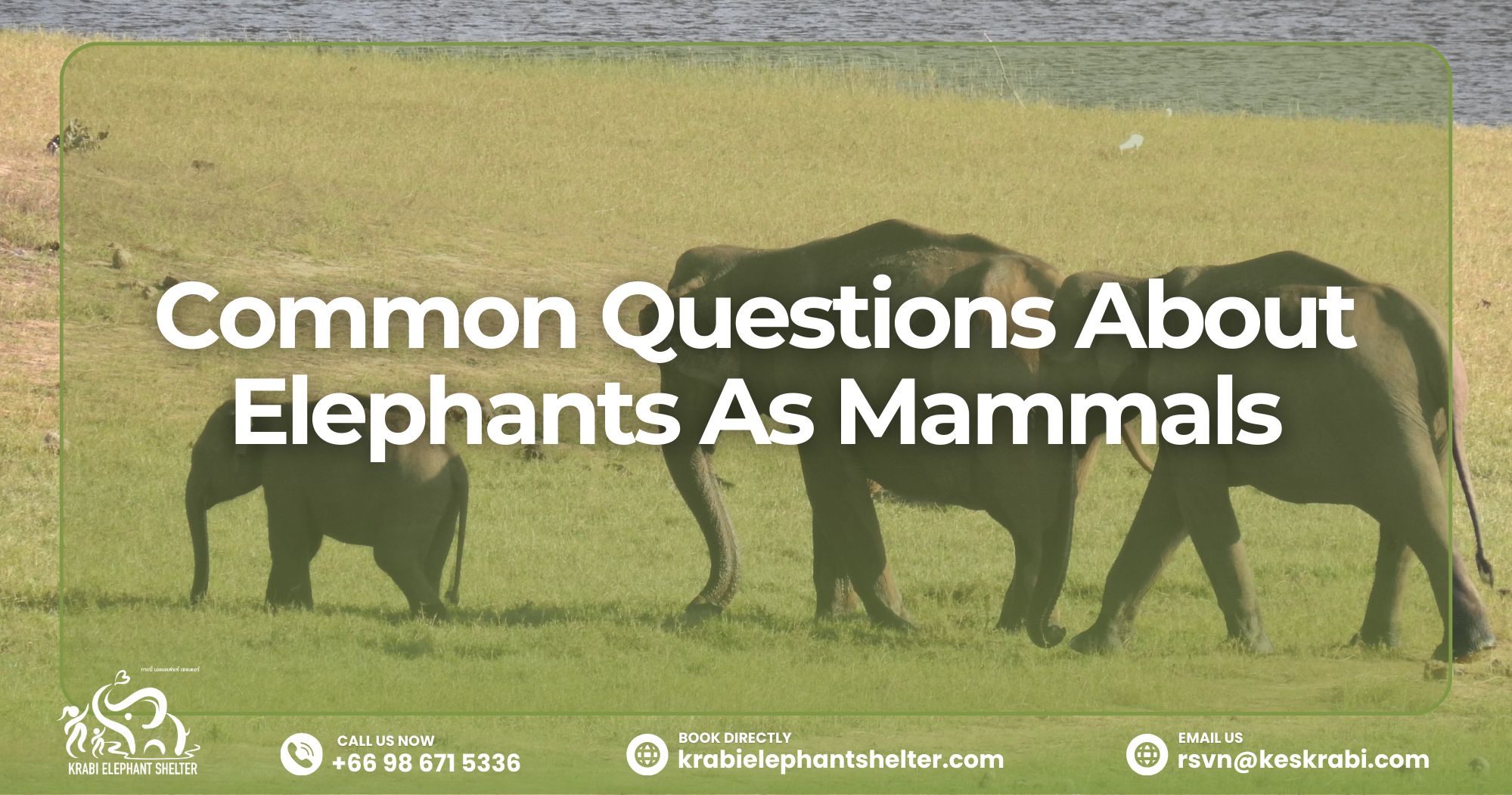
Common Questions About Elephants As Mammals
Is An Elephant A Mammal Or A Reptile?
Elephants belong to mammals. They are warm-blooded (unlike their reptilian relatives), and they bear live young and nurse the calves on milk.
Do Elephants Lay Eggs?
No. In common with all mammals except the monotremes (platypus and echidna), elephants bear live young.
How Do Elephants Care For Their Young?
The calves are nursed by the mothers for a few years, and the whole herd assists in protecting and rearing the young, only possible with highly social mammals.
Are Elephants Related To Other Mammals Like Hippos?
Yes. Manatees and hyraxes are closely related elephants. These two species appear completely different, but genetic research establishes that they are closely related.
How Elephants Compare To Other Mammals
Saying that an elephant is a mammal is fine, but when you put it in comparison with other animals, this uniqueness comes to the fore.
- Versus Whales: Both whales and elephants are highly social and are advanced communicators. Whilst the sea is dominated by whales, elephants reign on land.
- Versus Primates: It is not a coincidence that, like human beings and chimps, elephants have close-knit families and are highly intelligent.
- Versus Big Cats: The tigers and lions are also mammals, yet unlike the elephants, they are individual hunters. Elephants do well in the social unit.
Elephants are unique as they are physically more powerful and emotionally more insightful, merging smartness, collaboration, and sympathy to some extent characteristic of primates and whales, though not similar to any of them. In observing elephants with other mammals, we not only observe their uniqueness but also observe how they bring to attention the remarkable variety of strategies that life has experimented with under the mammalian umbrella.
Surprising Traits That Make Elephants Unique
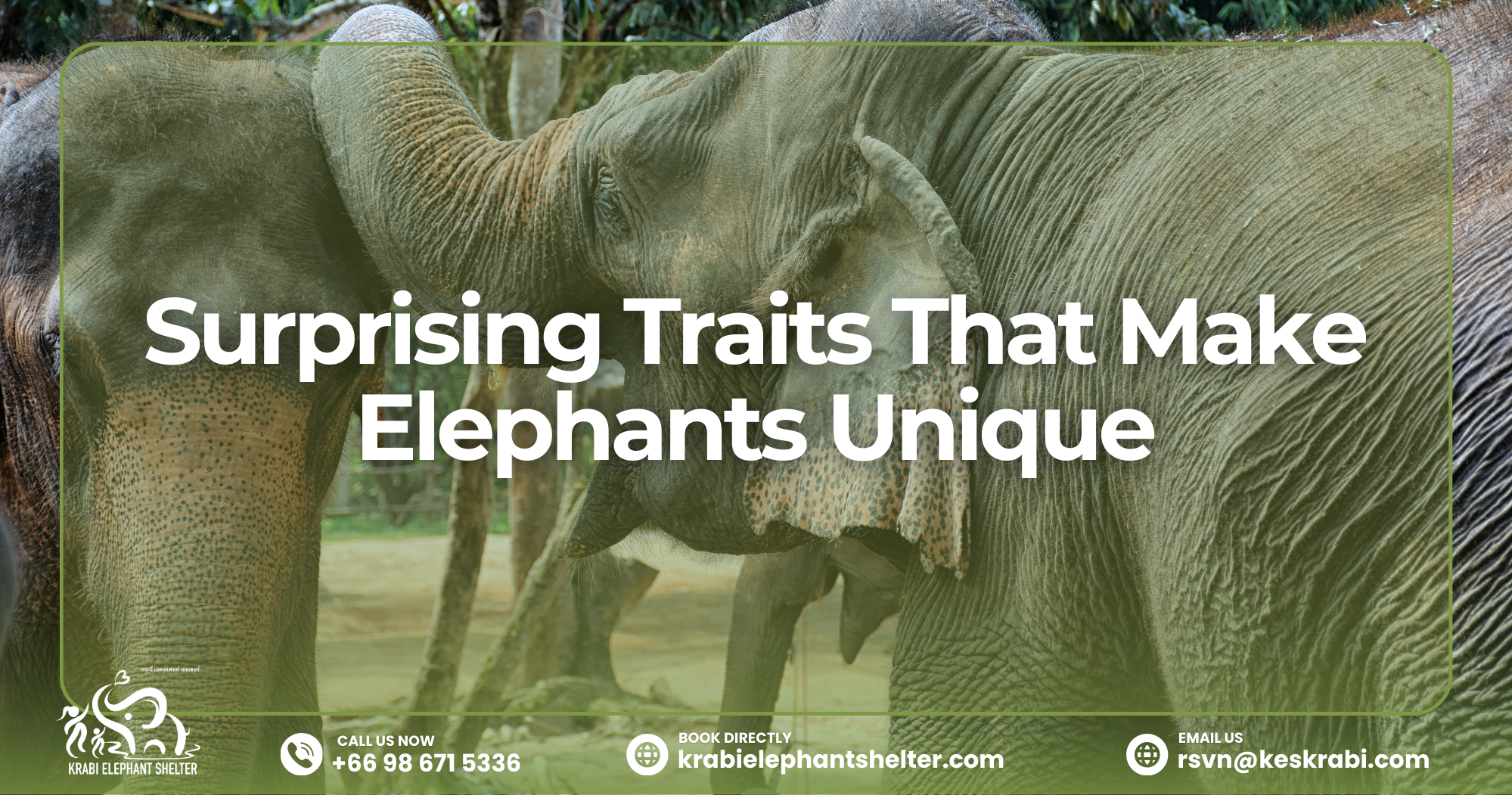
Elephants are outstanding in many ways; their size and features make them outstanding mammals.
The highlighted characteristic is their longevity. In fact, many elephants survive up to 60–70 years, making them similar to human beings. Such longevity comes with the chance to be able to pass knowledge down through the generations and hence assure the survival and knowledge of the herd.
Their emotional intelligence is also impressive. Elephants comfort, have happy reunions, and even mourn the death of members of their herd. This sort of feeling is uncommon in the animal world and emphasizes how well-developed their social ties really are.
Another thing of interest about their life is communication. Elephants make infrasound, which is a rattle of low frequencies that can help to travel up to several kilometers besides the common trumpeting noises. This talent enables herds to remain in touch with other members of the herd, even when they are separated by long distances.
Their social systems are likewise very complicated. The oldest and most experienced female elephant is commonly the leader of the herd. Her authority is critical to her leadership in tackling conflicts like droughts and extended movements to make sure all the group members are safe and secure.
Mammals And A Review Of Elephants And The Necessity Of Ethical Sanctuaries
Elevated body size, intelligence, emotions, and a high degree of social connections are applicable to elephants as well, which makes such an approach applicable to elephants and treats them with dignity and respect. Due to such unified mammalian characteristics, elephants need more than just basic survival care.
They thrive in environments that value their interrelationships, allow them to exercise their freedom, and address their emotions. This makes ethical sanctuaries like Krabi Elephant Shelter in Krabi, Thailand, are so important in the lives of elephants, as they make them live healthy and dignified lives.
Such refuges offer the opportunity to have these animals live in a cruelty-free environment rather than undergoing exploitation. They also help protect elephants from allegedly compulsive performances or work in labor-abusive conditions. Visitors to these sanctuaries play a direct role in maintaining the welfare of the elephants and the way in which they are treated, as well as in responsible tourism.
Ethical sanctuaries not only offer independence and protection to elephants but also impart knowledge to people in order to appreciate humane care and conservation. By participating in this way, each visit contributes to the larger goal of preserving these remarkable mammals for future generations.
When people visit ethical sanctuaries, they are not only making sure that such an animal as an elephant is remembered as the amazing mammal that it is, but they also help to guarantee their overall survival and existence in the long run.
Why Elephants Truly Stand Out As Mammals
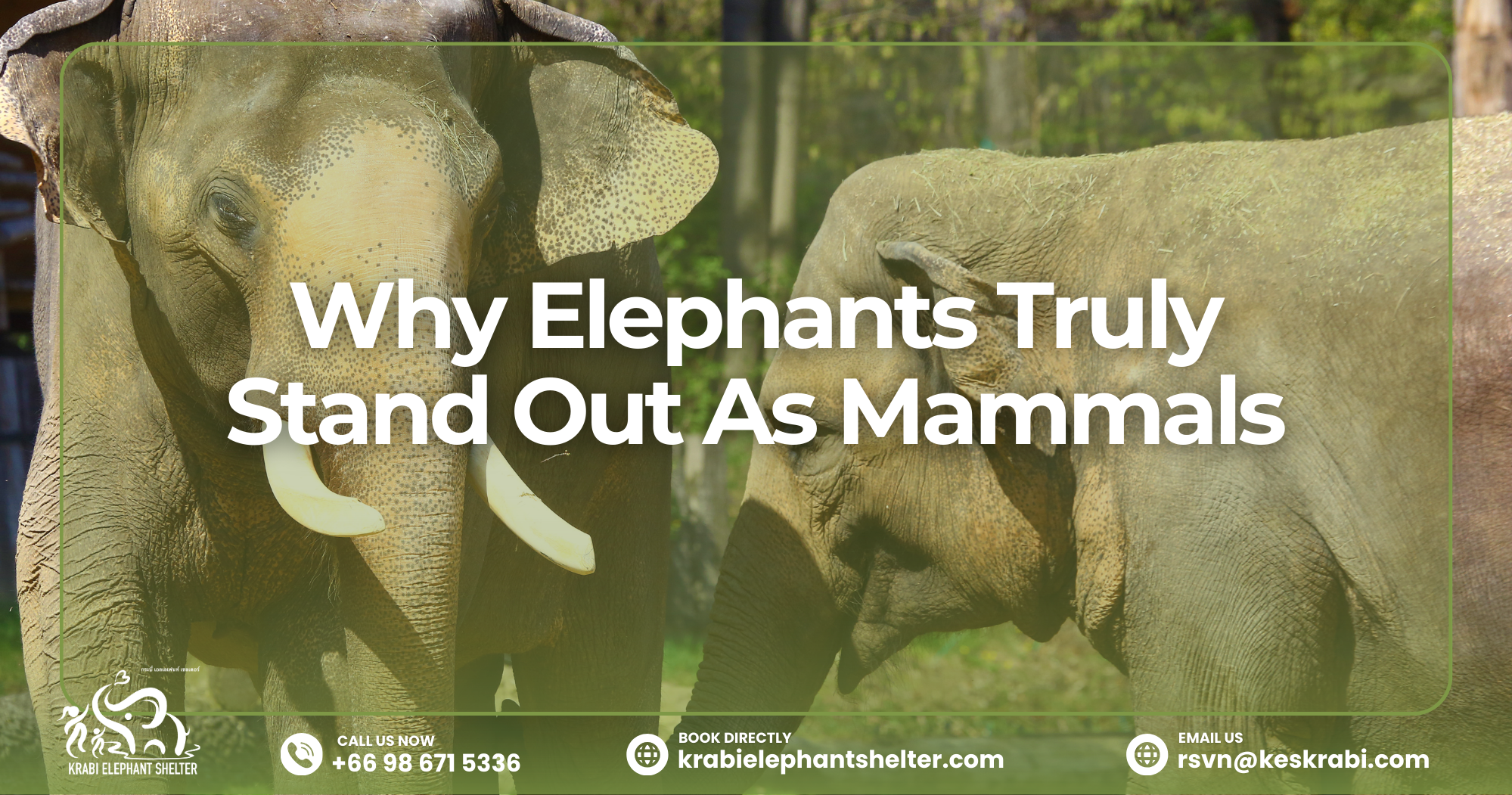
So, is an elephant a mammal? Absolutely. However, it is more than that, as elephants are living examples of how amazing mammals can be. Not only are they huge, wild creatures, but they are also the representations of strength, wisdom, and resilience.
They remind us that it does not necessarily make sense to call ourselves mammals only in terms of biology. Instead, it makes more sense in terms of connection, care, and continuity of life. The elephant is a majestic creature that evokes a sense of amazement, admiration, and respect, as nothing could match its stature. These giants carry within their step the evolutionary story of intelligence and caring.
And the next time you spot an elephant, be it in a wildlife sanctuary or even in a book, take a moment to remember what you’ve learned. At least you should know now that you are looking at one of the most incredible mammals on earth.
Book your trip to Krabi Elephant Shelter now!
By visiting Krabi Elephant Shelter, your entrance fee directly supports the elephants’ care, including their food, medical treatment, and habitat upkeep. It’s a meaningful way to make your trip count—contributing to long-term animal protection efforts while enjoying a once-in-a-lifetime encounter with Thailand’s most beloved giants.
Phone: (+66) 98 671 5336
Email: [email protected]
Book directly at krabielephantshelter.com