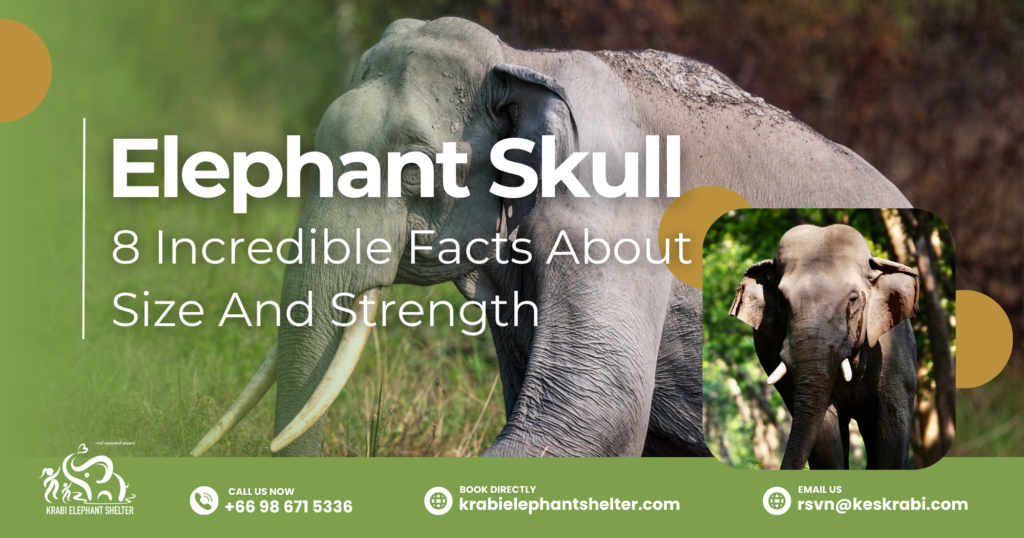
As a matter of fact, when tourists get to see elephants in Thailand or different areas of Asia, one question that very often arises is, do Asian elephants have tusks? Actually, the explanation is a bit more complicated than most people believe. Only Asian elephants among the elephant species don’t all grow long, prominent tusks, unlike their African counterparts.
Whether or not tusks grow and their size both depend on the species, sex, genes, and sometimes location as well. For example, while almost all male and female African elephants have tusks, Asian elephants biologically behave in a different way. By learning about these distinctions, we can understand why some elephants have large ivory tusks while others are tuskless.
Biological Purpose Of Elephant Tusks
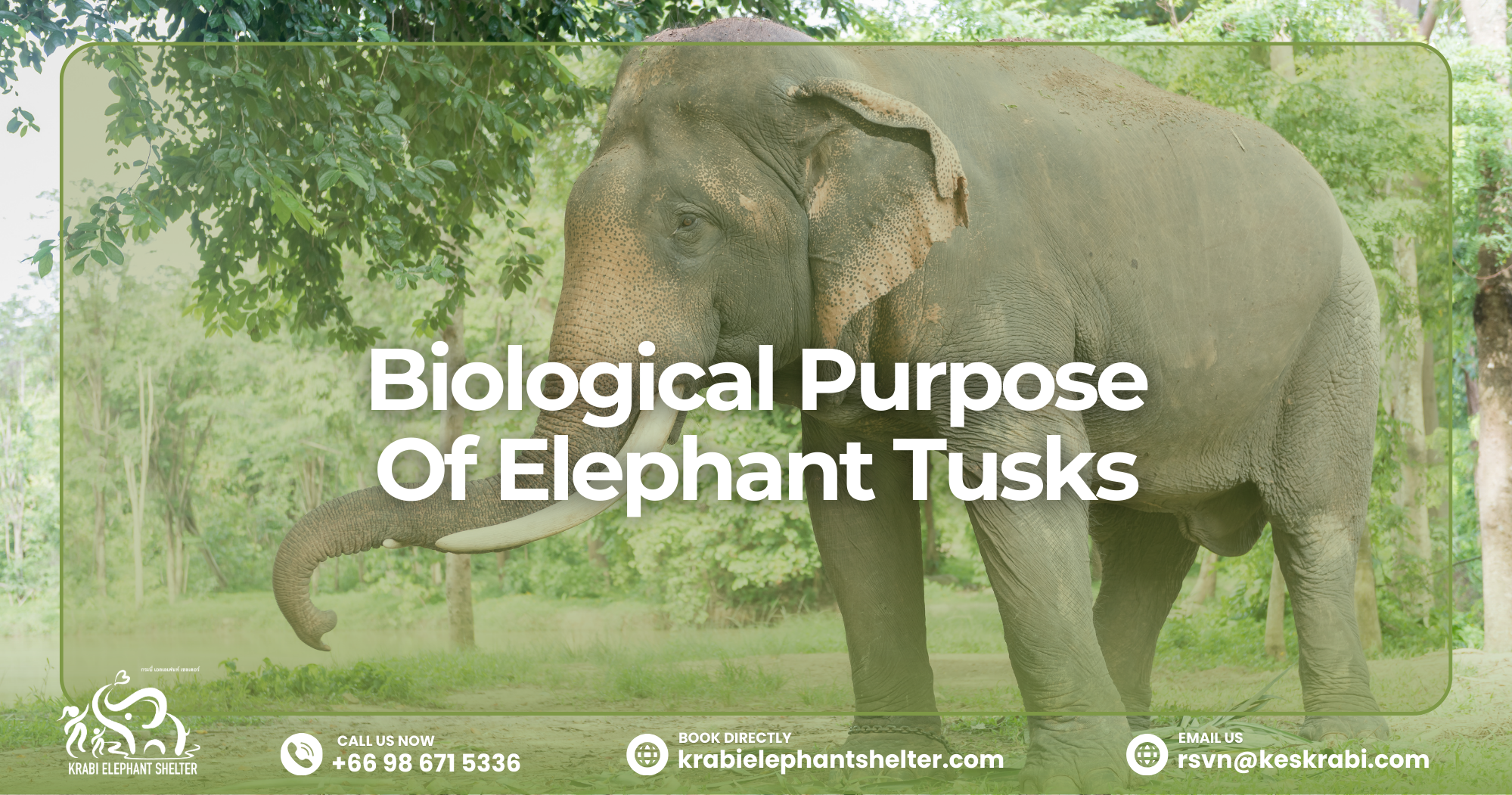
Elephant tusks are incisors that have grown very long. They constantly grow throughout the elephant’s entire life. Elephants employ their tusks to dig, to tear bark off trees, to lift heavy things, and, of course, to protect themselves. Male Asian elephants use their tusks during fights for dominance. Bulls use their tusks to determine who will mate. Thus, tusks help bulls to have a better grip and to threaten their rivals.
Differences Between Asian And African Elephants
One of the most visible distinguishing features of the species is tusks. Typically, both male and female African savanna elephants will have tusks. In addition, their tusks are usually longer and heavier than those of Asian elephants. African forest elephants have tusks as well, but their tusks are narrower and straighter than those of the savanna elephants.
Asian elephants are different because there is a variation in their pattern. Most male mammals have tusks, while females hardly have any. Moreover, Asian elephant ears are much smaller, and the back’s shape is more rounded. These variations in features help the experts to spot the species correctly even when they are at quite a distance.
Do Asian Elephants Have Tusks?
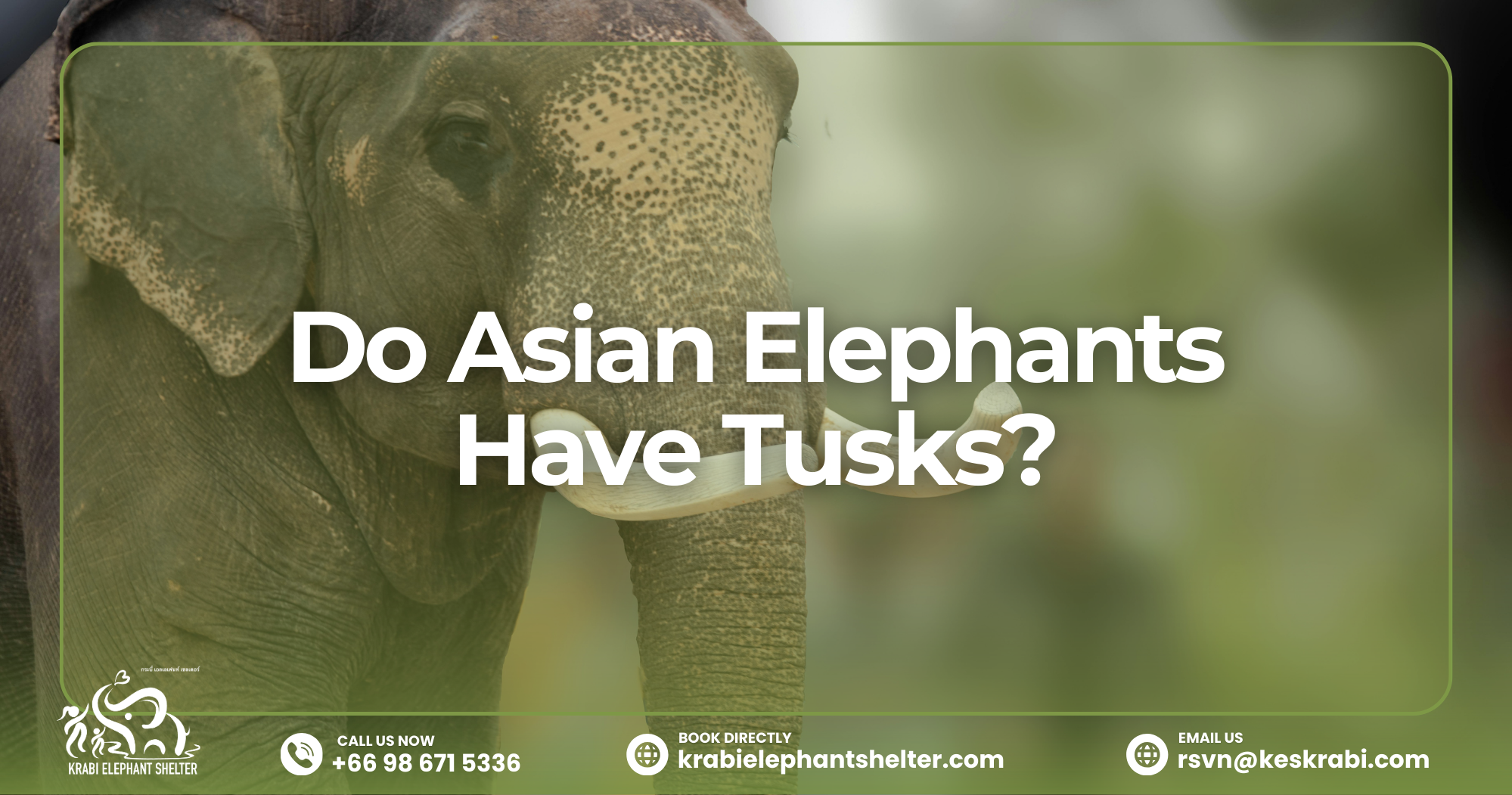
The truth is, in most cases, only males of the species have tusks. Most males of Asian elephants have tusks, but the size of these can be quite different. On the other hand, female Asian elephants, as a rule, lack any significant tusk development.
To add to this, just about all the females that are there in the Asian elephant population have a kind of hidden small carving called “tushes” instead of real large tusks. The tushes are really short teeth that look like stumps and hardly ever extend beyond the top of the lip.
African elephants, by the way, are very different in this respect. Both male and female African savanna elephants typically have big tusks. Thus, this difference accounts for the very physically distinguishable exhibit of the two species of elephants. Therefore, the answer to the question, “Do Asian elephants have tusks?” should be that a majority of male elephants have them, whereas female elephants mostly do not.
Why Most Female Asian Elephants Are Tuskless
One of the prominent dissimilarities between Asian and African elephants is in the development of female tusks. It is not usual for a female Asian elephant to have long tusks.
The best guess for scientists is that this feature came from a combination of evolutionary and environmental influences. In a closed woodland environment, a large pair of tusks may not be as beneficial as they are in an open savanna.
Furthermore, the heavy ivory hunting of the past has left its mark on the genetics of tusks. In areas where ivory hunting was severe, elephants with small or no tusks survived better. Gradually, these changes might have led to an increase in the number of tuskless elephants.
Male Asian Elephants And Tusk Variation
Male Asian elephants are expected to have tusks, but even among males, there is still some variation. A few males may have very long, curved ivory tusks that look almost exactly like those of African elephants. On the other hand, many male Asian elephants do not develop tusks. Those being called “makhnas.” Makhnas have no tusks, similar to females, but their larger body size and different head shape are the obvious signs that they are males. Makhnas make up a significant proportion of the male population in some parts of Sri Lanka and southern India. Besides the environment, a lot of genetics is mixed in this.
What Are “Tushes” In Asian Elephants?
Tushes are essentially tiny extensions of the incisor teeth that are predominantly seen in female Asian elephants. They look like the tips of very short, blunt teeth and are hardly ever seen protruding outside of the mouth. While tusks have substantial length and usually a curved shape, tushes don’t have those features. Therefore, they don’t have the advantage of being used for digging or protecting themselves.
Elephants’ Behavior Changes As A Result Of Their Tusks
The existence of tusks affects the behavior of elephants, most noticeably of male elephants. The males who have large tusks are the bulls that usually win the social interactions. Thus, during musth, tusks contribute a lot to the sparring and intimidation purposes. Nevertheless, there exist times when tuskless males are able to compete successfully with the males that have tusks. Such males gain their opponents through relying on their body strength, size, and behavioral signals rather than the advantage of having ivory.
Moreover, elephants find their daily-life needs requiring the use of tusks, such as digging for water, breaking branches, and removing obstacles. Elephants without tusks tend to adapt to their environment by using their trunks most creatively. Generally, it is the trunks that are being used more often as tools or implements as compared to the tusks.
Conservation And The Impact Of Ivory Hunting
Devotion to ivory has always been one of the key reasons for elephants’ vulnerability. Poaching resulting from the demand for ivory has led to massive killings not only in Asia but also in Africa. Because of the natural tusk variation in Asian elephants, it is possible that the poaching pressure has led to genetic changes. Elephants without tusks were the ones who survived the most in the poaching-affected areas.
Currently, conservation objectives revolve around protecting habitats, organizing anti-poaching patrols, and offering educational programs. Moreover, ethical sanctuaries abstain from participating in ivory trading while at the same time they promote the welfare of elephants, which is crucial for raising awareness about the natural variations in elephant anatomy and the impact of poaching on their populations. Besides, understanding that some Asian elephants don’t have tusks can help clear up visitors’ misunderstandings. Most zoo visitors expect all elephants to carry large ivory pieces, but not all elephants in a herd have tusks.
Asian Cultures And The Elephant Tusk Symbolism
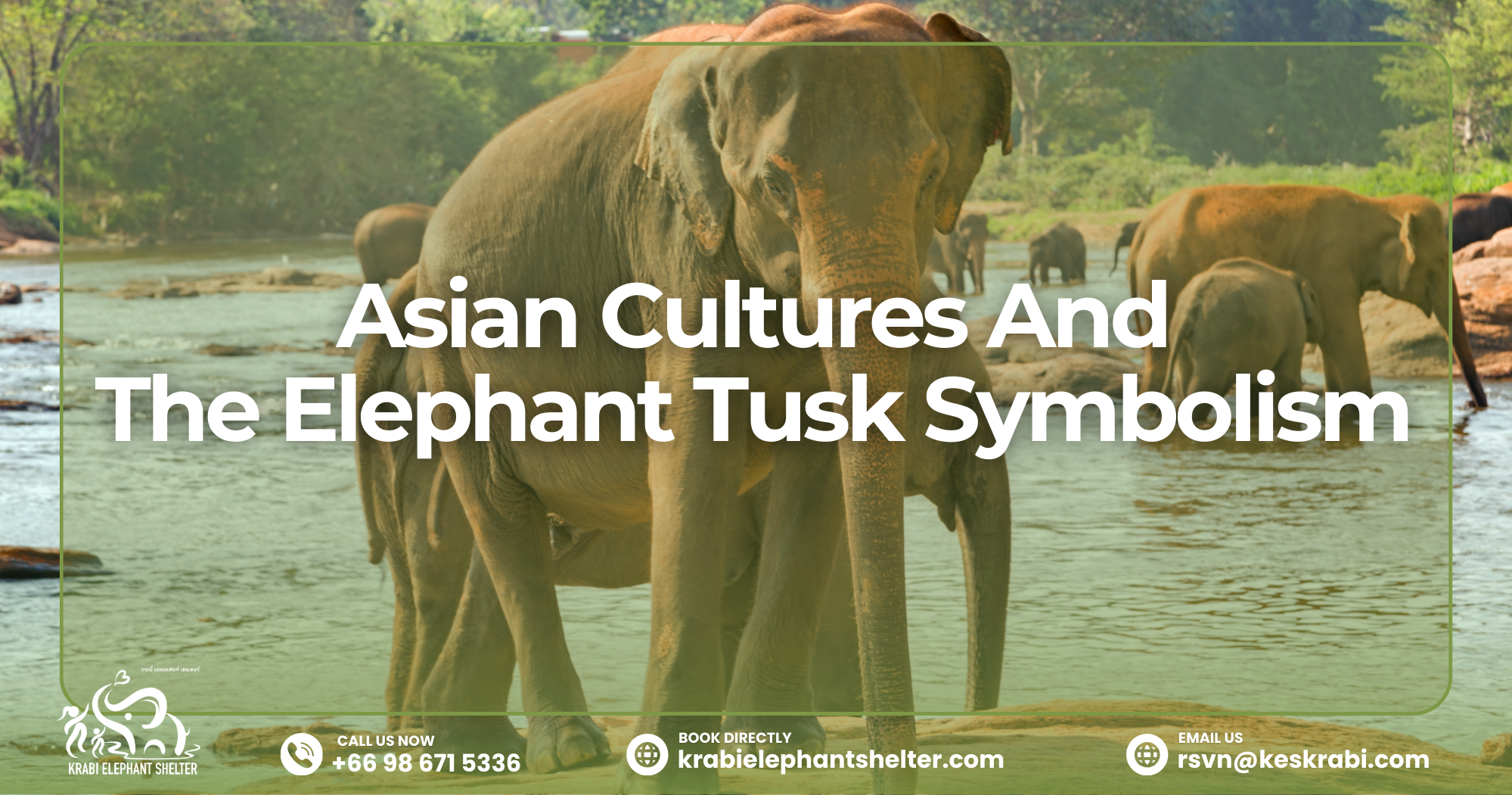
In many Asian cultures, elephant tusks are regarded as symbols of beauty and power. Ivory has been used as a material for art and crafts, carvings, and religious relics throughout history. Nature conservationists, however, are on the side of ethical behaviors. To protect the elephants, most countries have signed agreements banning the ivory trade. Moreover, tourists are another factor. Non-violent wildlife viewing experiences do not allow the sale of ivory products. Therefore, visitors contribute to the change in the cultural outlook by considering elephants not as sources of ivory but as highly intelligent and emotionally bonded beings.