Asian elephants are one of the most intriguing and brainy creatures on the planet. Asian elephants have been part of human communities for millennia, and they are known for their tight-knit social groups, extraordinary memory, and cultural significance in many regions. They inhabit various types of environments, such as thick tropical forests, grasslands, and river valleys. These grand creatures are a vital component of healthy ecosystems.
However, like many other animals, Asian elephants face endangerment due to factors such as habitat loss and conflicts with humans and wildlife. Gaining knowledge about their lifestyles, environments, and behavior is also a great strategy to keep them safe. Through this article, we hope to unveil some extraordinary facts about the elephants of Asia concerning their various subspecies, habitats, diets, means of communication, and conservation concerns.
How Many Asian Elephant Subspecies Are There?
There are three Asian elephant subspecies. Though they possess many similarities in physical attributes, separately the subspecies have distinct traits and native areas.
1. Indian Elephant (Elephas maximus indicus)
Among all the other subspecies, the Indian elephant is the most widely spread. Indian elephants inhabit multiple countries of the South and Southeast Asia regions, including India, Nepal, Bhutan, Bangladesh, Thailand, Myanmar, Laos, Cambodia, and Vietnam. Compared with other Asian elephant subspecies, their size is medium, and they have been able to live in all sorts of habitats like forests, grasslands, and river valleys.
2. Sri Lankan Elephant (Elephas maximus maximus)
The Sri Lankan elephant is the largest subspecies of the Asian elephant. These elephants are found only in Sri Lanka, and they are characterized by their larger body size and darker skin.
3. Sumatran Elephant (Elephas maximus sumatranus)
This diminutive subspecies is a resident only of the Indonesian island of Sumatra. Compared to other subspecies, Sumatran elephants are lighter in color, and their skin is thinner as an adaptation to living in tropical rainforests. Unfortunately, the rapid clearing of their habitat and the spread of palm oil plantations have pushed them to the brink of extinction. The variations of each of these subspecies contribute to the incredible diversity that is characteristic of the elephants of Asia.
Where Do Asian Elephants Live?
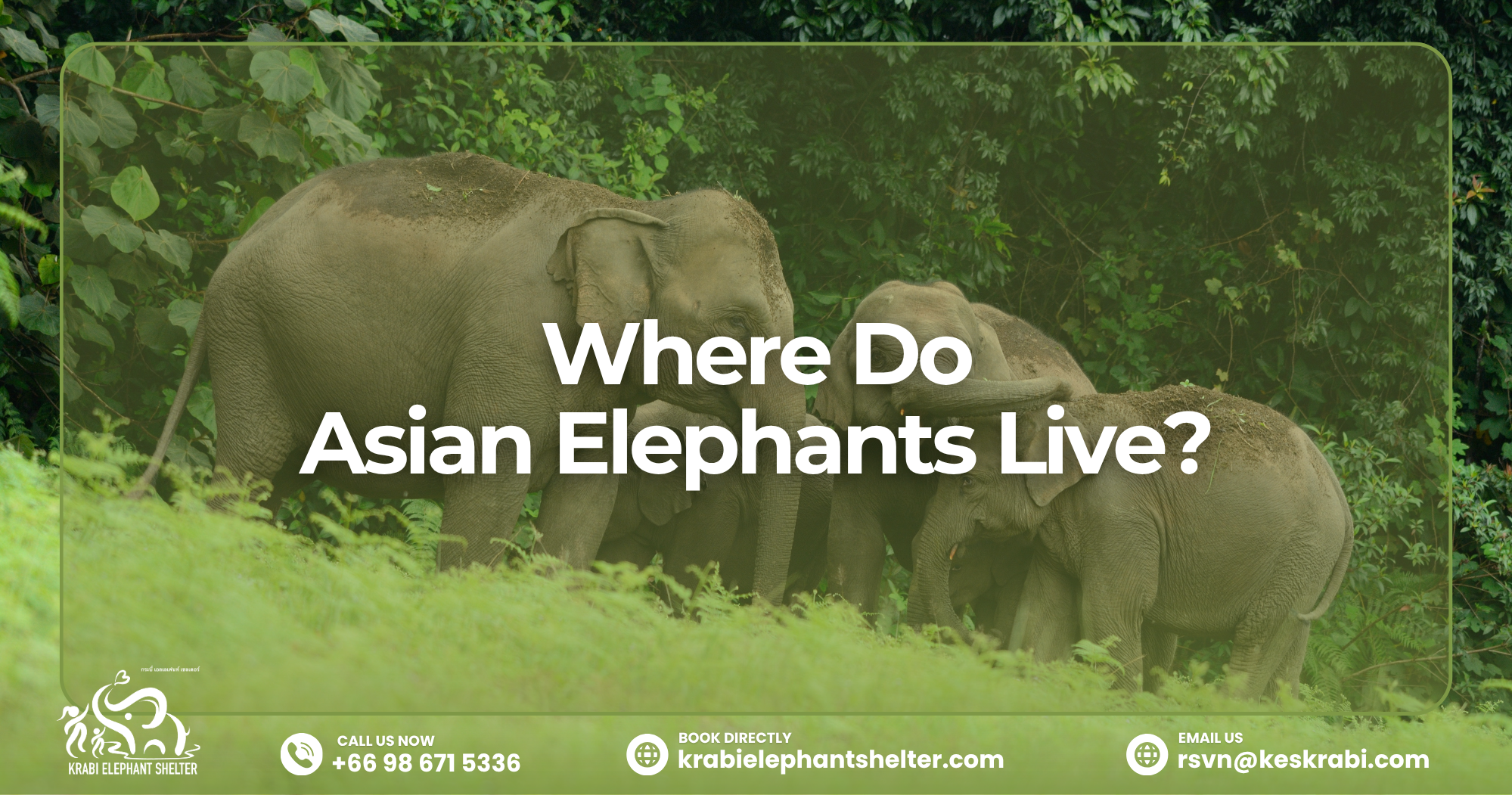
These majestic creatures still roam in 13 countries of South and Southeast Asia. Their habitats were more widespread in the past, but habitat destruction has largely confined them to smaller areas.
Besides tropical rainforests, their main habitats are:
- Dry forests
- Grasslands
- Mountain foothills
- River valleys
Elephants need to move to different parts of their extensive territories because they must have a regular supply of food and water. While looking for resources, a herd of elephants can still cover a few kilometers per day.
The countries that are home to significant numbers of Asian elephants include:
- India
- Thailand
- Sri Lanka
- Myanmar
- Indonesia
- Malaysia
Protected national parks and wildlife reserves are now the home of many elephants. Nevertheless, the cutting up of forests into smaller patches through roads and other developments often pushes them into areas where people live, resulting in conflicts.
What Do Asian Elephants Eat?
Simply, Asian elephants are massive herbivores who enjoy food! Due to their giant stature, they require quite a large amount of food every day to sustain themselves. Normally, one grown-up elephant may consume about 150 to 200 kilograms (around 330 to 440 pounds) of plant materials each day.
Their eating list comprises:
- Grass
- Bamboo
- Tree bark
- Leaves
- Roots
- Fruits
- Sometimes, they also consume crops in farming areas.
Usually, elephants utilize their trunks for nearly all their food-related tasks, such as getting food, dragging tree branches down, and sometimes even unearthing roots. And, of course, their trunks are quite remarkable and are very flexible; they consist of thousands of muscles, which enable them to hold onto sizable branches as well as tiny pieces of food.
In fact, Asian elephants have a habit of eating up to 18 hours each day. Their continuous foraging must also help in some way to the changes in the ‘forest ecosystem’ as it disperses seeds and creates clearings where new plants can come up, don’t you think? To this extent, due to their significant ecological role, elephants are sometimes known as “ecosystem engineers.”
How Do Asian Elephants Communicate?
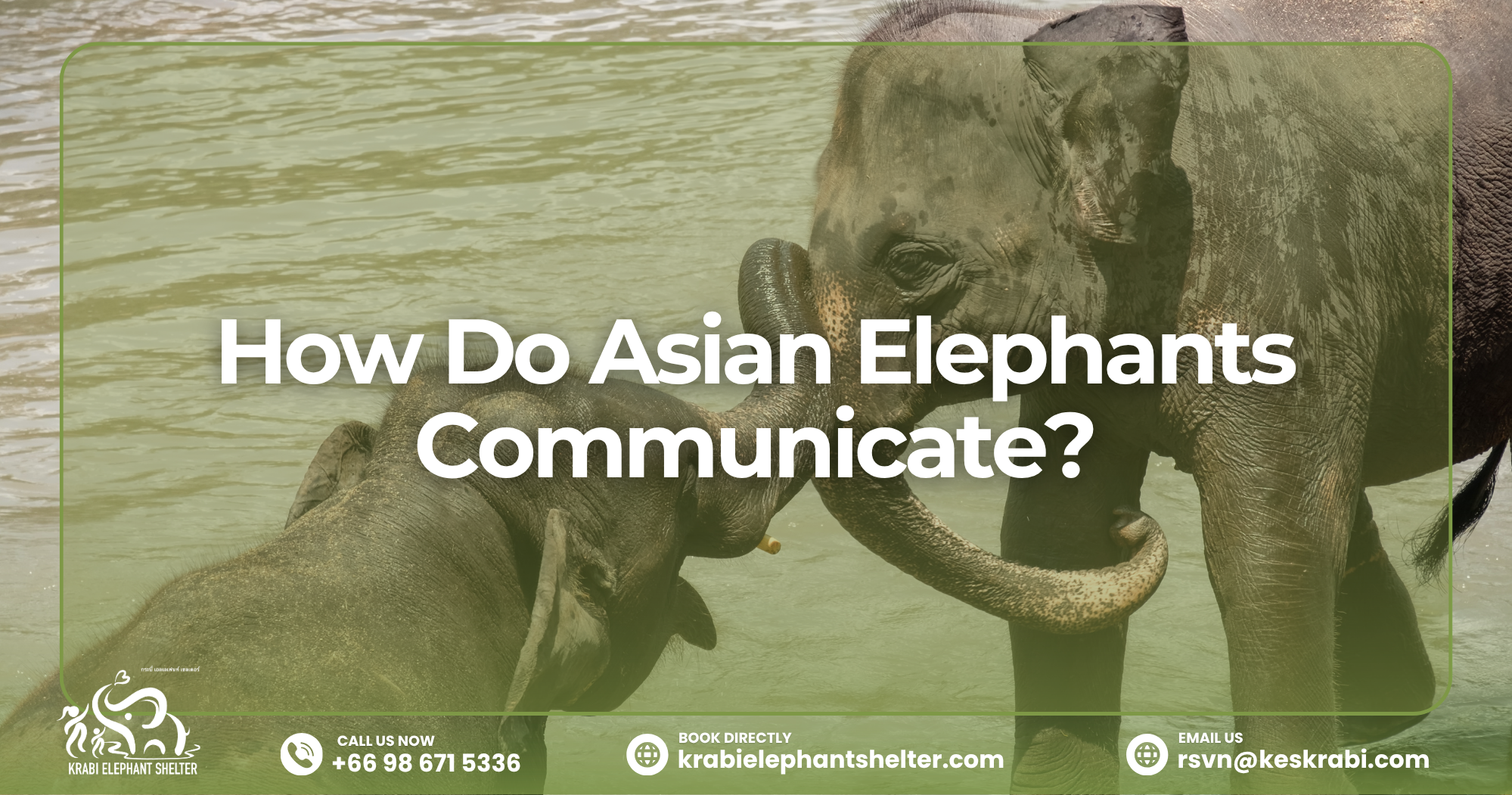
Elephants in Asia have one of the most intricate modes of communication between animals. They basically depend on a mixture of vocalization sounds, facial expressions or body poses, touch, and vibrations.
Vocal Sounds
An elephant can make multiple sounds; a few examples are:
- Trumpet
- Roar
- Rumble
Elephants make low-frequency rumbles, which can propagate for long distances in the ground, enabling them to communicate, even if they are kilometers apart.
Body Language
Elephants express emotions through ear movements, trunk gestures, and posture. A raised trunk may signal curiosity, while flapping ears might show excitement or agitation.
Touch And Social Bonds In Elephants
Elephants love touching each other with their trunks to express affection or comfort. It helps to build their social bonds within the herd. Elephants are known for living in matriarchal family units, where naturally, the senior and most knowledgeable female is the leader. Crucial information needs to be communicated at all times if the group is to fend off dangers, keep the little ones safe, and live in harmony.
Status Of Asian Elephants
Sadly, Asian elephants are among the endangered species. Over the last 100 years, their numbers have drastically dropped. There are a few major risks that have put them on the brink of extinction.
Decrease In Natural Habitat
The loss of forests is the most serious threat. Land is taken for farming, roads, and cities, leaving less and less room for elephants.
Human, Elephant Struggle
As their habitat becomes smaller and smaller, elephants occasionally get to the point where they enter the cultivation and dwelling areas in search of food. Such encounters often lead to serious confrontations, with casualties on both sides.
Illegal Wildlife Trade
While the killing of elephants for their ivory is less frequent in the case of Asian elephants, some of them are still illegally traded for tourism and entertainment purposes.
Divided Populations
With roads and cities dividing the forests, the elephant groups get separated from each other. They become genetically less diverse, which is quite problematic from the standpoint of survival. Many conservation organizations and government bodies are in Asia actively counteracting these problems by establishing protected areas and wildlife corridors as well as engaging with local communities through education.
Why Asian Elephants Should Be Protected
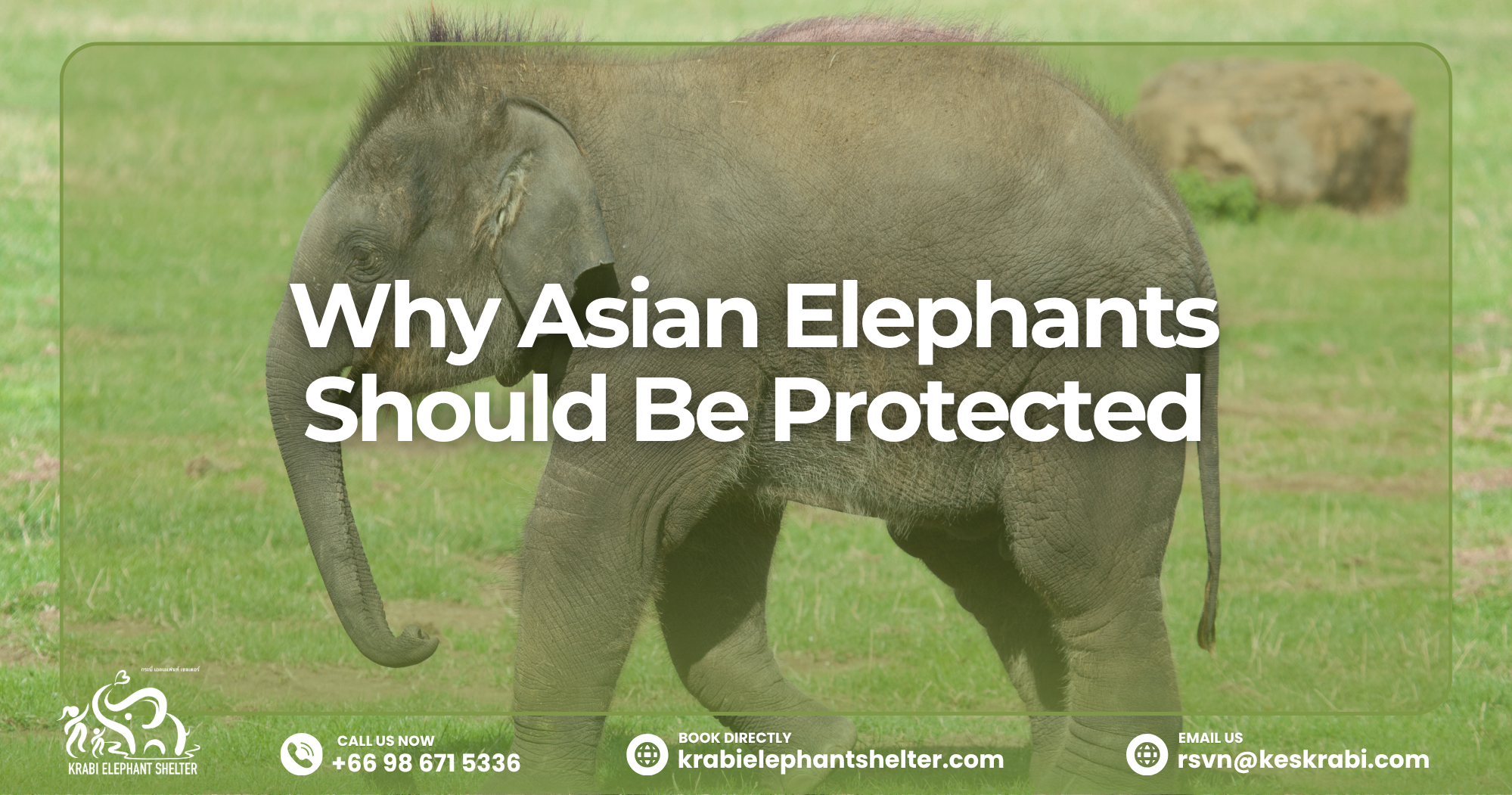
Besides being magnificent wildlife, Asian elephants play a very important role in their natural habitats. By dispersing seeds and controlling vegetation, they contribute to the balance of forests that are home to numerous other species.
They are also intertwined with the culture of many Asian countries. This is why elephants are frequently seen in religious ceremonies and artworks and even recognized as a national symbol. Saving Asia’s elephants is not a one-man job: it requires governments, conservationists, and local population cooperation. Responsible wildlife policies and ecotourism are other factors that could help the cause.